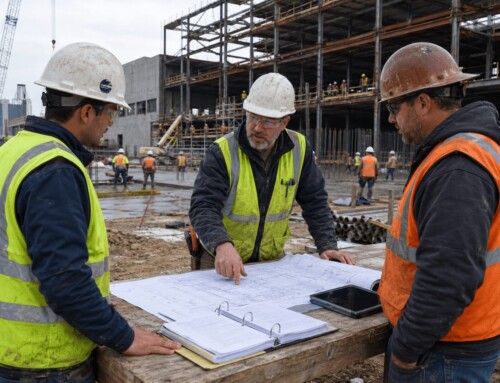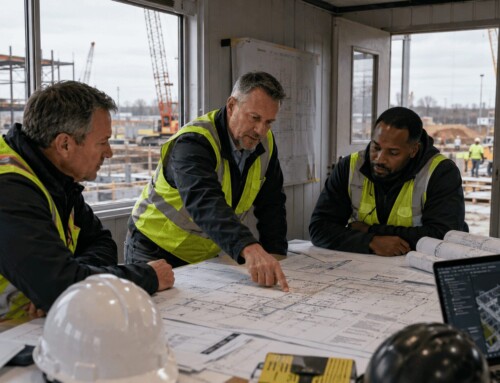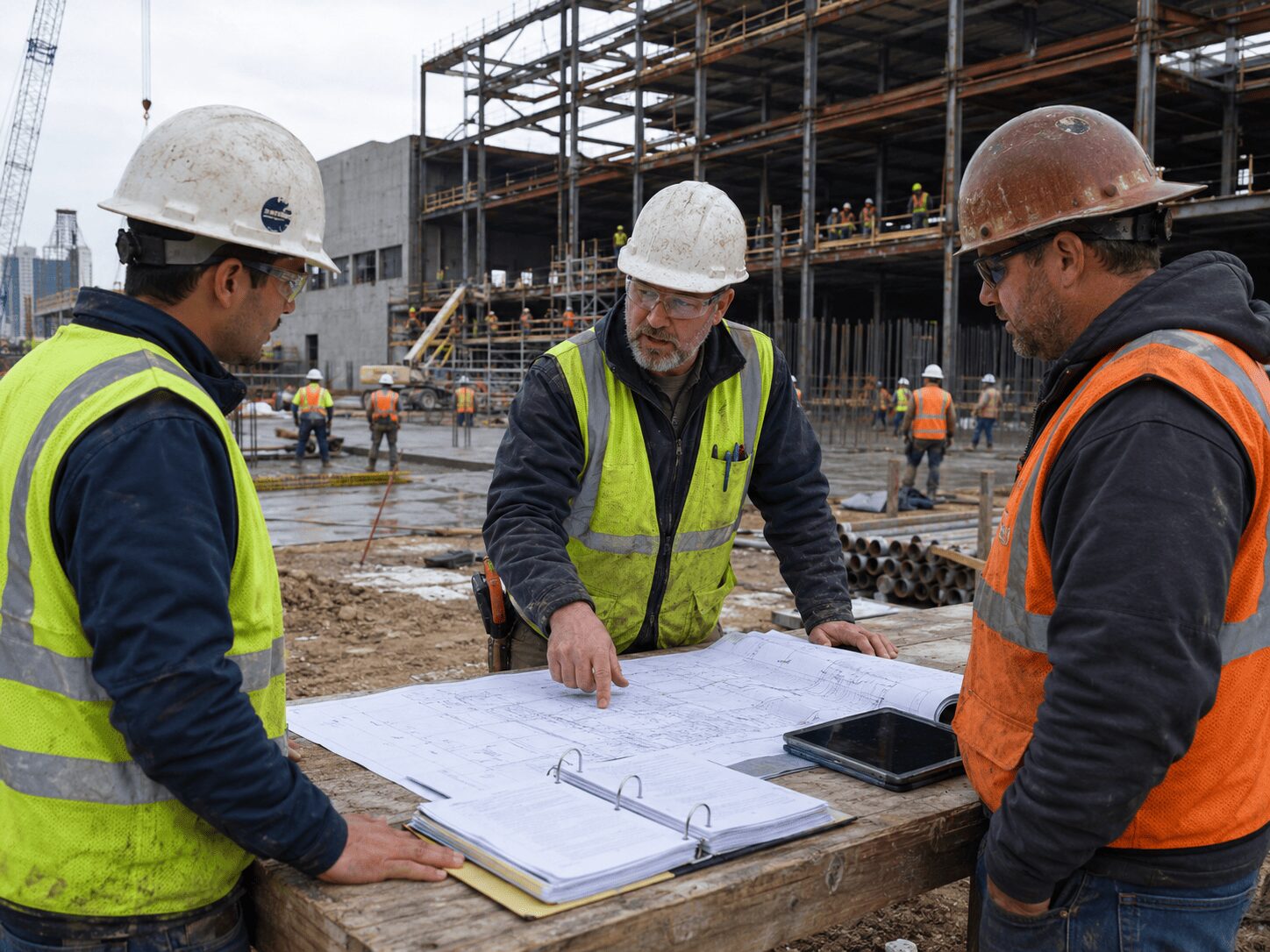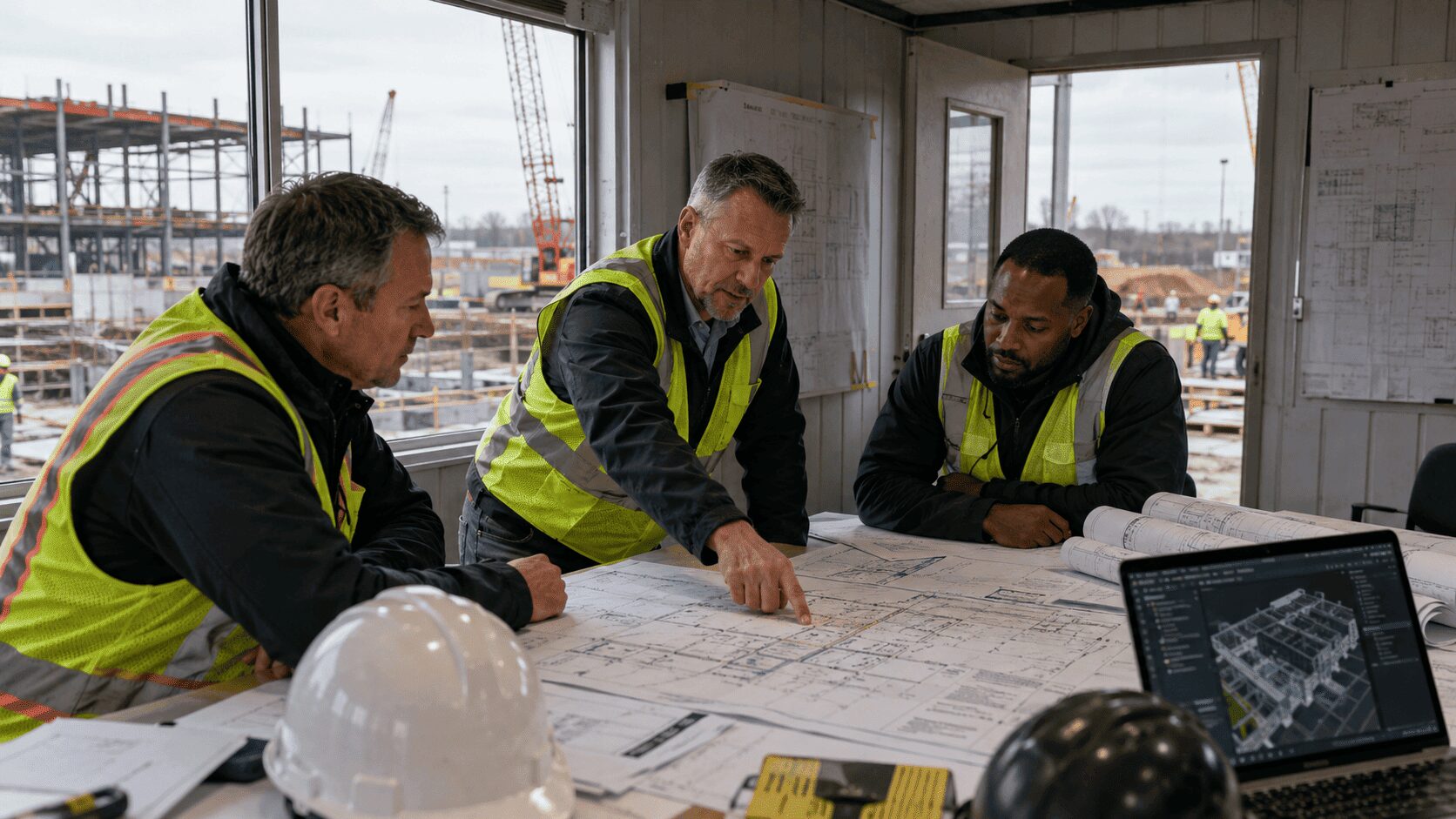

AI matters in construction only when it helps the work.
For estimating and preconstruction leaders, that means something specific. It means less time lost to document review, bid tracking, scope comparison, addenda review, RFI cleanup, and administrative drag. It means better visibility before the number goes out. It means experienced people have more time to use judgment instead of chasing information.
That is the right way to judge AI in construction estimating. Not by the demo. Not by the pitch deck. Not by whether a tool sounds advanced. The real test is whether it helps a contractor move faster without weakening control.
For senior construction leaders, the question is simple: does the tool help estimating and preconstruction teams catch risk earlier, compare information more cleanly, and make better decisions before the job is won?
That is where AI can help. It is not replacing the estimator who understands scope, sequence, labor, trade coverage, logistics, and project risk. The value is in reducing the drag around the work so skilled construction people can spend more time thinking through the work.
The timing matters. The 2026 Sage/AGC Construction Hiring and Business Outlook reported that 61 percent of firms either use AI or plan to increase AI investment, up from 44 percent in the prior survey. The same outlook reported that 23 percent use AI for estimating and 20 percent apply it to design or preconstruction.
That does not mean AI is mature across construction. It does mean the conversation has moved past curiosity. Contractors are now looking at AI through the lens of productivity, staffing pressure, bid speed, and decision quality.
Where AI helps estimating teams first
The strongest early use cases are not dramatic. They are practical.
Most preconstruction teams do not lose time in one large block. They lose it in hundreds of small delays: searching drawings, checking specifications, reviewing addenda, comparing scopes, chasing bid coverage, cleaning notes, building summaries, and confirming whether the newest document set changed the estimate.
Useful construction AI tools can help with that kind of friction.
They can review specifications and drawings for repeated requirements. They can flag changed sheets after an addendum. They can summarize bid invitations, track subcontractor responses, and help compare exclusions. They can draft a first-pass RFI log from unclear or missing information. They can support document control so the team is less likely to price from the wrong set.
This matters most on fast-moving work with tight bid windows. AI will not know whether a drywall scope is undercarried, whether a mechanical number is light, whether site logistics are realistic, or whether a trade partner has enough manpower to execute the work. A strong estimator still owns that.
But AI can help surface the issue earlier.
The construction terms that matter
AI only helps when leaders define the workflow clearly. Before any tool is judged, the company needs plain language around the work it is trying to improve.
Takeoff is the process of measuring quantities from plans and specifications, such as concrete, steel, doors, drywall, piping, or fixtures.
Bid leveling is the process of comparing subcontractor or vendor proposals against the same scope so gaps, exclusions, alternates, and assumptions are clear.
Scope comparison is the review of what is included, excluded, duplicated, or missing across drawings, specifications, estimates, and trade proposals.
Document control is the discipline of keeping drawings, specifications, addenda, RFIs, and revisions organized so the team works from the right information.
Preconstruction throughput is the amount of qualified bid, estimate, review, and proposal work a team can process without lowering accuracy.
That last phrase matters. Preconstruction throughput is not just speed. It is speed with control.
A team that bids more work but misses scope is not improving. A team that sends more proposals but burns out its best estimators is not improving. A team that adds software but still depends on last-minute heroics is not improving.
The goal is cleaner flow from opportunity review to final number.
AI should reduce drag, not hide weak process
A poor estimating process with AI is still a poor estimating process.
That is the point leaders need to keep in front of the technology conversation. AI will not fix unclear bid/no-bid rules, weak subcontractor relationships, poor file structure, vague responsibilities, slow executive review, or an estimating team that is already stretched too thin.
AI works best on top of discipline. The company still needs clean naming conventions, clear document ownership, a standard bid schedule, repeatable scope review, and a defined handoff from estimating to operations.
Once that base exists, AI can help the team move faster.
Picture a preconstruction team pricing a complex healthcare interior renovation. The project has infection control requirements, phased access, night work, tight logistics, and multiple addenda. The estimator still needs to understand the work. The project executive still needs to challenge the assumptions. The superintendent still needs to weigh in on sequencing.
AI can support the flow around them.
It can compare the latest drawings against the prior set. It can flag specification sections tied to infection control, temporary protection, phasing, and owner-furnished items. It can produce a first-pass list of scope gaps across trade proposals. It can summarize RFI themes. It can help the team see which subcontractors have submitted complete numbers and which proposals need follow-up.
That does not replace construction judgment. It protects time for construction judgment.
Where leaders should be careful
The risk is not that AI will take over estimating. The bigger risk is that leaders trust weak outputs too quickly.
Estimating and preconstruction require context. A tool can read a note. It cannot feel the risk in a tight hospital corridor, a congested downtown site, a delayed switchgear package, or a trade partner stretched across too many jobs.
That is why AI output needs human ownership. Every summary, scope flag, takeoff assist, or RFI draft should have a reviewer. Someone has to check the drawings. Someone has to test the assumptions. Someone has to decide whether a number is complete enough to carry.
The same caution applies to high-growth sectors. JLL’s 2026 Global Data Center Outlook points to strong AI and cloud demand, power constraints, rising construction costs, and continued pressure around speed to power. That kind of market does not reward casual estimating. It rewards teams that can process information quickly without losing control.
For contractors pursuing AI infrastructure construction or following the data center construction forecast, preconstruction discipline matters as much as market demand. Owners are moving fast. Power questions are complex. Cost pressure is real. Missing a scope gap early can become an execution problem later.
That is why AI belongs inside the workflow, not above it.
The best pilot is narrow
Senior leaders do not need to chase every construction AI tool. They need a better test.
Start with one workflow where the pain is clear: addenda review, scope comparison, bid tracking, RFI cleanup, or document control.
Run the tool against past projects first. Compare what it found against what the team already knows. Then test it on live work with a human reviewer assigned. That gives leaders a fair read on whether the technology saves time or simply creates another screen to manage.
Estimating automation should earn trust in small steps. A tool that saves one senior estimator three hours every week has value. A tool that produces fast answers no one trusts does not.
Before adding another platform, ask five questions:
- What exact workflow problem are we trying to solve?
- Does the tool save measurable time for estimators or preconstruction leaders?
- Does it reduce scope misses, document confusion, or bid follow-up gaps?
- Who reviews the AI output before it influences the estimate?
- Does the tool fit our current process, or are we buying software to cover a process problem?
If the answer is vague, the tool is not ready. If the answer is tied to a clear bottleneck, it deserves a closer look.
The leadership issue behind the technology issue
The strongest use of AI in construction estimating is not about replacing people. It is about giving experienced people cleaner information, less administrative noise, and more time to think before the number goes out.
That matters because strong preconstruction talent is already stretched. Many contractors are trying to review more opportunities, protect margins, respond faster, and keep their best people from burning out. AI can help with parts of that pressure, but it cannot solve the leadership and staffing questions behind it.
The same discipline that applies to AI also applies to the construction recruiting process: define the real need, clarify the role, move with focus, and do not confuse activity with progress.
AI that helps estimating is practical. It reads. It compares. It tracks. It organizes. It flags.
Then skilled construction people decide.
That is the line worth keeping.
If your preconstruction team is trying to handle more bid volume without losing accuracy, The Birmingham Group can help construction leaders think through the leadership, staffing, and role clarity needed to support that growth.