Eli Lilly to Build $6 Billion Pharmaceutical Manufacturing Plant in Huntsville, Alabama
HUNTSVILLE, Ala. — Eli Lilly and Company announced plans to invest $6 billion in a new pharmaceutical manufacturing facility in Huntsville. State officials said the project is the largest initial private investment in Alabama history.
The facility will manufacture active pharmaceutical ingredients for small-molecule and peptide medicines. Production will focus heavily on GLP-1 receptor agonists used to treat obesity and cardiometabolic conditions.
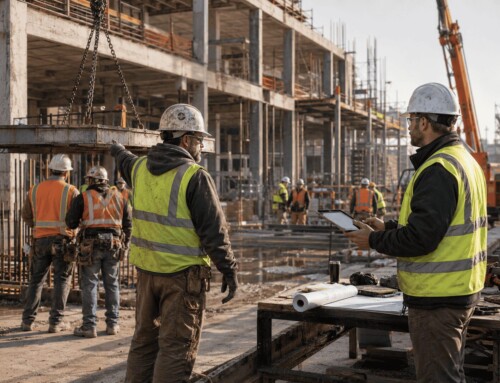
Construction is expected to begin in 2026. Full operations are targeted for 2032. The project is expected to create about 3,000 construction jobs and 450 permanent positions.
Site and location
The plant will be built on approximately 260 acres at the Greenbrier South site near Interstate 565 in Limestone County. Lilly said it selected the site after reviewing more than 300 proposals nationwide.
The company cited Huntsville’s skilled workforce and proximity to the HudsonAlpha Institute for Biotechnology as key factors in the decision.
Manufacturing focus
The Huntsville facility will support active pharmaceutical ingredient production across several therapeutic areas. These include diabetes, oncology, immunology, and neuroscience.
One of the medicines tied to the site is orforglipron, an experimental oral GLP-1 drug in development for obesity. Unlike injectable GLP-1 treatments, orforglipron is designed as a once-daily pill.
Lilly said it plans to submit orforglipron for regulatory review for obesity by the end of 2025.
Part of a broader U.S. expansion
The Huntsville project is the third of four new U.S. manufacturing sites Lilly plans to build. The effort is part of more than $50 billion in domestic manufacturing investments announced by the company since 2020.
Additional large-scale Lilly manufacturing facilities are under development in Texas and Virginia.
Jobs and economic impact
Once operational, the facility will employ about 450 permanent workers. Roles are expected to include engineers, scientists, manufacturing specialists, quality professionals, and laboratory technicians.
State officials said average salaries for permanent positions are expected to exceed $100,000.
Lilly estimates the project could generate up to $25 billion in long-term economic impact through construction activity, supply chain spending, and local business growth.
The Alabama Industrial Development Training (AIDT) agency and the Alabama Department of Commerce will partner with Lilly to develop customized workforce training programs.
What the project means for construction executives and workers
The scale and duration of the Huntsville project are expected to create sustained opportunities for construction executives, project managers, and skilled trades over several years.
With construction scheduled to run from 2026 through the early 2030s, the facility will require large, coordinated teams across site development, utilities, structural work, process piping, cleanroom construction, and advanced mechanical and electrical systems.
Industry analysts note that pharmaceutical manufacturing facilities rank among the most complex commercial builds, often demanding experienced leadership in scheduling, quality control, safety compliance, and regulatory coordination.
For construction managers and specialty contractors, the project represents long-term, high-value work rather than short-duration phases typical of conventional commercial developments. Trades with experience in industrial construction, automation infrastructure, and precision installation are expected to see strong demand.
The extended timeline also provides workforce stability for skilled labor, with phased construction allowing contractors to plan staffing levels, equipment deployment, and subcontractor pipelines years in advance.
Local and regional construction firms are expected to benefit from both direct project participation and secondary demand tied to housing, transportation, and infrastructure improvements supporting the expanded workforce.
Project timeline
- 2025–2026: Site preparation, permitting, and infrastructure coordination
- 2026: Construction begins
- 2026–2031: Phased construction and commissioning
- 2032: Full operations targeted
Why it matters
The investment comes as demand for GLP-1 medicines continues to surge and pharmaceutical companies move to expand domestic production.
Lilly said the Huntsville facility will help strengthen U.S. supply chains and improve access to high-demand medicines.