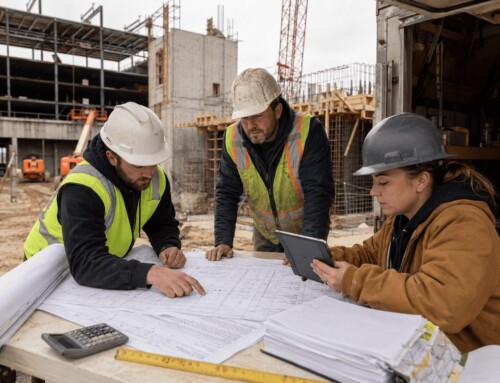

A construction internship is the fastest way into a construction career, and in 2026 it is also one of the smartest. Employers facing a deep labor shortage are using internships to find and train their next project engineers and superintendents, and most interns who perform well get hired. Nationally, 63 percent of interns convert to full-time roles, and construction is one of the fields where that pipeline works best.
This guide covers what a construction internship pays, what you actually do in one, how internships turn into full-time jobs, and how to land one. The figures come from current NACE and market data, and the hiring perspective reflects what recruiters see across active construction searches.
Last updated: August 2026
Construction internships in 2026: Most construction internships are paid hourly, with rates set by region, company size, and program length. Nationally, 63.1 percent of interns convert to full-time hires, per NACE. In construction, an internship is the standard on-ramp to a project engineer role, which leads to project management and beyond.
Why construction internships matter right now
Construction is short of people, and the gap is not closing on its own. Associated Builders and Contractors estimates the industry needs to attract hundreds of thousands of new workers to meet demand. With experienced project engineers and superintendents hard to find, contractors are building their own talent, and internships are how they do it.
For a student or a career changer, that shortage works in your favor. Firms are no longer treating interns as summer help. They are treating them as early hires, investing in training and making full-time offers before graduation. An internship that used to be a resume line is now a direct path to a job.
What does a construction internship pay?
Construction internships are paid roles, and the pay is solid for the experience level. Pay depends on region, company size, and whether the role is a summer internship or a longer co-op.
That holds up well against intern pay in other fields. The bigger financial story in construction is not the internship wage itself. It is what the internship leads to, and how fast pay climbs once you convert to a full-time role.
How construction internships turn into full-time jobs
The payoff of a construction internship is the job at the end of it. NACE, in its 2026 Internship and Co-op Survey of 284 organizations gathered between October 2025 and January 2026, found that 63.1 percent of interns convert to full-time hires, the highest mark in five years. Among interns who receive an offer, 88.3 percent accept.
Construction converts especially well because the work is hard to fake and easy to judge. Over a summer on a jobsite, a project manager sees exactly how an intern handles pressure, paperwork, and people. That real look removes most of the guesswork from a full-time offer, which is why so many construction interns step straight into a project engineer role after graduation.
What you actually do in a construction internship
A construction internship is hands-on from day one. Most interns split time between the field and the project office, learning how a build comes together. Common responsibilities include shadowing the project engineer and superintendent, tracking submittals and RFIs, helping with quantity takeoffs and cost tracking, joining safety walks, updating schedules, and sitting in on owner and subcontractor meetings.
The goal is not to keep you busy. It is to teach you the coordination and documentation skills that project engineers are hired for. By the end of a strong internship, you should understand how cost, schedule, safety, and quality connect on a real project, and you should have a body of work you can point to in an interview.
The career path a construction internship starts
In construction, the internship is the first rung on a clear ladder. The common path runs from intern to project engineer, then to project manager, and on to senior leadership. Each step carries more responsibility and higher pay.
The numbers climb quickly. Construction project engineers earn $72,690 to $125,600 in base pay in the TBG 2026 Construction Salary Survey, and construction managers earned a median of $114,990 in May 2025, according to the U.S. Bureau of Labor Statistics. An internship can put you on a track to six figures within several years. You can see how the full path and its pay ranges work in our guide to construction worker career paths, and check current pay across roles in the 2026 Construction Salary Survey.
Types of construction internships
Construction internships are not all the same, and the track you choose shapes the career that follows. The most common types line up with the roles contractors need most.
Field and project engineering internships put you on the jobsite supporting the project team with submittals, RFIs, and coordination. Estimating and preconstruction internships focus on takeoffs, bid packages, and cost analysis in the office. Safety internships shadow the site safety team on inspections and compliance. And VDC or BIM internships work in the models, clash detection, and digital coordination that modern projects run on.
Most interns come out of a project engineering or field internship, since that path leads straight into a project engineer role. But the specialty tracks matter too. A preconstruction or estimating internship can open the door to a chief estimator career, and a VDC internship can lead into the fast-growing technology side of construction. Ask in the interview which track a role really is, because the title intern can cover very different day-to-day work. Pick the track that fits where you want to end up, not just the first offer you get.
How to get a construction internship
Getting a construction internship comes down to showing up early and prepared. Start with your school career fair and your construction management or engineering department, since most general contractors recruit directly from a handful of programs. Apply in the fall for summer roles, because the best positions fill months ahead.
Contractors look for candidates who show real interest in the work, basic jobsite awareness, and a willingness to learn. An OSHA 10 card, some coursework in scheduling or estimating, and any hands-on construction experience all help you stand out. A short, specific resume that names the software and skills you have carries more weight than a long one.
What construction internships give employers
For contractors, an internship program is one of the most reliable ways to solve a hiring problem before it starts. In a market where experienced project engineers are hard to find and costly to replace, growing your own talent is often faster and cheaper than competing for it later.
An internship is also a long interview. A summer of real work tells a hiring manager far more than a resume and two conversations can, which lowers the risk of a bad full-time hire. Firms that run structured intern programs, with clear projects and a mentor, convert the most interns and build the strongest bench. If you are trying to fill a pipeline of future leaders, working with a construction-focused recruiting partner beats waiting for the perfect candidate to apply.
Frequently asked questions
Do construction internships pay?
Yes. Most construction internships are paid, usually hourly, with rates that vary by region, company size, and program length.
What percentage of interns get hired full-time?
Nationally, 63.1 percent of interns convert to full-time roles, according to NACE’s 2026 survey, and construction tends to convert above average because the work is easy to evaluate on a jobsite.
Do you need a degree to intern in construction?
Most formal internships go to students in construction management or engineering programs, but many contractors also offer field internships and apprenticeship-style roles that do not require a four-year degree.
When should I apply for a construction internship?
Apply in the fall for the following summer. The strongest programs recruit early through campus career fairs and fill their spots months in advance.
Whether you are chasing your first construction internship or building a pipeline of future project engineers, the right connections make the difference. You can browse open construction jobs or talk with our recruiting team about your next step.