
A massive AI data center project is reshaping Metro Detroit’s construction landscape in ways not seen since the region’s automotive heyday. The $7 billion Stargate Michigan Campus represents far more than just another tech facility—it signals the beginning of a construction renaissance that could transform Southeast Michigan into a major hub for advanced infrastructure development. However, the project includes developing 250 acres of previously farmland, raising environmental concerns among residents and activists. Environmentalists are also concerned about the potential increase in fossil fuel use to power data centers, which could offset sustainability efforts. Additionally, there are concerns that data centers may produce fewer high-wage permanent jobs compared to other tech investments, which has sparked debate about their long-term economic benefits.
This unprecedented project, spearheaded by OpenAI, Oracle, and Related Digital, demonstrates how the global data center boom is creating massive construction opportunities across Metro Detroit. With 2,500+ union construction jobs starting in 2026 and additional data center interest from major tech companies, the region is experiencing a construction surge that extends far beyond a single project.
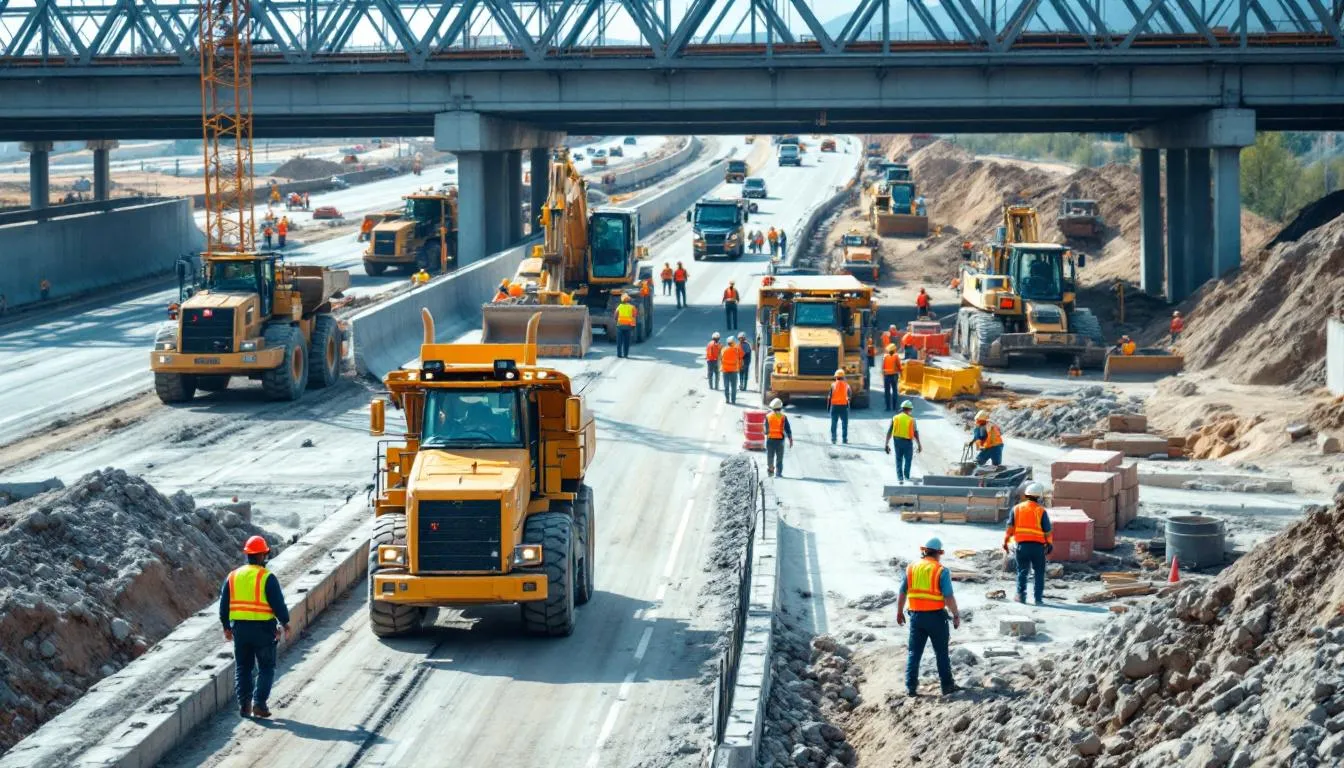
$7 Billion Project Signals Major Construction Surge in Southeast Michigan
OpenAI, Oracle, and Related Digital’s $7 billion AI data center in Washtenaw County’s Saline Township represents the largest economic project in Michigan history and the biggest single construction announcement to hit Metro Detroit in recent memory. This massive computing facility will create an immediate construction boom, generating over 2,500 unionized construction jobs when ground breaks in 2026. Governor Gretchen Whitmer called the data center project the largest economic investment in Michigan’s history. OpenAI, Oracle, and Related Digital are the developers behind the proposed AI data center in Saline Township.
The construction scope reveals the extraordinary scale driving Metro Detroit’s building boom. The project encompasses three 550,000 square foot single-story buildings across a 250-acre site, making it Michigan’s first hyperscale data center campus. This massive data center development requires specialized construction expertise rarely seen in the region, from advanced cooling systems to cutting-edge electrical infrastructure capable of handling over 1 gigawatt of power capacity. The AI data center in Saline Township will have a capacity exceeding 1 gigawatt, making it one of the largest in Michigan. The data center will use a closed-loop cooling system to limit water usage. With a capacity exceeding 1 gigawatt, it will be one of the largest data centers in Michigan.
The Stargate project follows a pattern of major infrastructure investments transforming the Detroit metropolitan construction landscape. Related Companies brings proven large-scale construction experience to the region, having successfully completed major developments across Washtenaw County. This track record provides confidence that the project can meet its ambitious construction timeline while setting new standards for hyperscale facility development.
The multi billion dollar facilities represent a new category of construction for Metro Detroit contractors. Unlike traditional manufacturing or office buildings, these AI data centers require unprecedented precision in temperature control, power distribution, and network infrastructure installation—creating opportunities for specialized construction trades while demanding new levels of technical expertise.
Unprecedented Scale of Construction Activity
The Saline Township campus construction requirements demonstrate the massive scale of building activity this project will generate across Metro Detroit. The three large data centers will demand extensive earthwork and foundation preparation across the 250-acre site, followed by sophisticated structural work to support the enormous computing loads these facilities must accommodate. Data centers typically deliver large temporary construction workforces, long-term tax revenue, and public infrastructure upgrades. The campus will preserve more than 700 acres of open space, including farmland, wetlands, and forests. Additionally, the companies involved will invest $14 million into the local community and will implement concessions such as on-site groundwater monitoring.
Construction timeline projections show peak workforce levels exceeding 2,500 workers simultaneously during critical phases of the build-out. This represents one of the largest single construction workforces in Metro Detroit’s recent history, requiring coordination between multiple specialized trades and contractors. The project’s closed loop water system alone requires advanced construction techniques not commonly used in regional building projects. The facility is expected to draw 1.4 gigawatts of power from DTE Energy, increasing the utility’s power demand by roughly 25%.

The electrical infrastructure construction represents perhaps the most complex aspect of the entire project. Installing 1.4-gigawatt electrical capacity requires building transmission-grade power systems typically associated with utility-scale power plants rather than commercial construction projects. This level of electrical work demands specialized contractors and creates substantial demand for skilled electricians throughout the construction period.
Advanced cooling system installation adds another layer of construction complexity. The facility’s cooling requirements far exceed typical commercial buildings, requiring sophisticated mechanical systems and precision installation to guarantee consistent electricity flow to the massive computing infrastructure. These systems must integrate seamlessly with the closed loop water system to ensure environmental compliance while meeting the extreme cooling demands of AI data centers. Data centers typically have a high energy demand, often equivalent to the consumption of a midsized city.
Regional Construction Boom Context
The massive data center construction activity extends far beyond the Stargate campus itself, driving a broader construction boom across Southeast Michigan. DTE Energy reports that data center load increases will boost their power demand by 25%, requiring extensive utility infrastructure construction throughout Metro Detroit to support growing data center capacity. DTE Energy will provide 1.4 gigawatts of power to the Saline Township data center project. DTE plans to fulfill the increased power demand using excess capacity on its grid and a $2 billion battery facility. The utility will file its plan to provide electricity for the data center with state regulators.
This infrastructure expansion includes constructing $2 billion in new battery storage financed by data center developers, representing one of the largest utility infrastructure investments in Michigan’s recent history. The data center campus will use existing power resources and include battery storage financed by the project.
Consumers Energy is simultaneously finalizing deals for three additional data center projects totaling 2 gigawatts of capacity, multiplying the construction activity already generated by the Stargate project. These proposed data centers will require similar construction scope and workforce levels, ensuring sustained demand for specialized construction workers well beyond the initial Stargate construction timeline. The project is part of a wider surge in data center construction in Michigan, driven by new legislation incentivizing high-tech development.

Microsoft’s acquisition of sites in Consumers Energy territory signals continued major construction projects in the pipeline. These unnamed data center projects represent additional multi billion dollar construction opportunities that will maintain high demand for construction workers and specialized trades throughout the decade.
Supporting Infrastructure Development
The data center construction boom requires extensive supporting infrastructure development across Metro Detroit. New transmission lines, substations, and grid upgrades are planned throughout DTE Energy and Consumers Energy territories to handle increased power loads from multiple hyperscale data center facilities.
Transportation infrastructure improvements accompany the data center construction surge. Construction workforce access, equipment transport, and materials delivery require upgraded road systems and traffic management around major data center construction sites. These infrastructure projects create additional construction opportunities for civil engineering contractors and road construction firms. The construction has been rated “A” for minimal local traffic impact by a Michigan Department of Transportation traffic study.
New fossil fuel power plants incorporating carbon capture technology are being planned to support the predicted data center boom across Michigan. These power generation facilities represent massive construction projects in their own right, requiring specialized contractors familiar with both traditional power plant construction and advanced carbon capture systems installation. Both DTE and Consumers Energy plan to build new fossil fuel power plants to accommodate the expected increase in power usage from data centers. Concern exists that data centers may raise utility rates if they do not cover their infrastructure costs.
Detroit neighborhoods are advancing utility-scale solar projects to support clean energy requirements for the growing data center sector. These renewable energy construction projects create additional demand for electrical contractors while supporting Michigan’s commitment to sustainable energy infrastructure development.
Economic Impact on Construction Industry
The massive hyperscale data centers create immediate and sustained demand for specialized construction contractors throughout Metro Detroit. The project’s requirement for 2,500+ construction workers represents significant job creation in high-skilled trades including electrical work, mechanical systems installation, and advanced infrastructure construction.
Beyond the construction phase, the facility will sustain 450+ permanent operational jobs, ensuring continued economic activity long after the initial building boom concludes. This employment structure creates lasting demand for supporting construction activities including facility maintenance, infrastructure upgrades, and expansion projects. The project is expected to generate over 450 permanent on-site jobs and more than 2,500 union construction jobs.
Data center tax breaks including 12-year, 50% local tax abatements and sales tax exemptions for eligible data centers improve construction project economics while encouraging additional data center development. The data center project will be eligible for a sales and use tax exemption on equipment, as well as a 12-year, 50% local tax abatement. These incentives help offset the substantial upfront construction costs associated with hyperscale facilities while making Metro Detroit more competitive for future data center construction projects. Local tax revenues from data centers can amount to millions of dollars each year for each facility.

The economic ripple effects extend throughout Washtenaw County and broader Metro Detroit region. Increased housing demand from construction workers and permanent data center employees drives additional residential construction activity. Retail, restaurant, and service infrastructure must expand to accommodate the growing workforce, creating secondary construction opportunities across multiple sectors. Proponents of data centers say they bring new investment and tax revenue to Michigan.
Data center operators require ongoing facility modifications and expansions as technology evolves. This creates sustained demand for construction contractors familiar with hyperscale facility requirements, establishing Metro Detroit as a regional hub for specialized data center construction expertise.
Strategic Positioning After Previous Setbacks
The Stargate project’s success demonstrates Metro Detroit’s resilience after high-profile construction project failures that previously damaged regional confidence. The withdrawal of major projects like Sandisk’s proposed $63 billion megasite highlighted challenges in attracting and executing large-scale construction undertakings in the region. Governor Gretchen Whitmer described the investment as the largest economic project in Michigan’s history.
Related Digital’s involvement brings proven construction expertise from successful large-scale developments throughout Washtenaw County. Their track record provides crucial credibility for executing complex construction projects while meeting demanding technical specifications required for hyperscale data center operations.
The project represents a significant confidence boost for the regional construction industry following the Legislature’s defunding of the $2 billion incentive fund that had supported previous large-scale construction initiatives. Successful execution of the Stargate construction project could restore investor confidence in Metro Detroit’s ability to deliver on ambitious infrastructure promises.
Data center construction requires different expertise than traditional manufacturing or automotive facility construction, allowing Metro Detroit contractors to diversify their capabilities while building new specializations. This diversification strengthens the regional construction industry’s resilience against future economic downturns in traditional sectors.
The administration’s economic development strategy now emphasizes attracting data center construction projects as a key component of regional economic diversification. Success with the Stargate project positions Metro Detroit to compete effectively for future hyperscale data center construction opportunities against established markets in Virginia, Texas, and other states. Governor Gretchen Whitmer has expressed optimism about the state attracting next-generation industries through investments like the AI data center.
Future Construction Outlook for Metro Detroit
Additional hyperscale data centers are expected as utilities prepare infrastructure to accommodate data centers requiring over 3 additional gigawatts of power demand beyond current projects. This preparation includes substantial utility infrastructure construction that will create sustained demand for specialized electrical contractors and infrastructure construction workers.
National data center construction is experiencing 69% year-over-year growth, driven by surging AI infrastructure requirements and cloud computing expansion. This growth trajectory ensures continued opportunities for Metro Detroit construction contractors to compete for large-scale data center projects as companies seek alternatives to saturated markets in traditional tech hubs.

Vantage Data Centers and other major data center operators are evaluating Metro Detroit locations for future construction projects. These potential developments could bring additional multi billion dollar construction opportunities while establishing the region as a recognized center for hyperscale data center construction expertise.
Michigan lawmakers authorized legislation meant to attract data centers through streamlined permitting and enhanced tax incentives. These policy changes position Metro Detroit to compete more effectively for future data center construction projects while reducing regulatory barriers that might discourage potential data center developers. Consumers has proposed requiring data center operators to sign 15-year contracts guaranteeing consistent electricity use.
The Michigan Public Service Commission is developing frameworks to accommodate data centers while protecting existing customers from potential grid impacts. These regulatory developments provide clarity for utilities planning infrastructure construction while ensuring data center construction boom benefits rather than burdens existing power customers. Utilities are worried that the predicted data center boom could leave ratepayers responsible for infrastructure costs if demand does not materialize.
Utility infrastructure construction requirements create sustained demand for specialized construction workers familiar with transmission-line installation, substation construction, and grid modernization projects. This expertise becomes increasingly valuable as more data centers locate in Metro Detroit and require supporting electrical infrastructure.
The massive AI data center development in Saline Township represents just the beginning of a construction transformation that could position Metro Detroit as a major national hub for advanced infrastructure development. With billions in confirmed investments, thousands of construction jobs, and a pipeline of additional projects, the region’s construction industry is experiencing growth not seen in decades. DTE Energy plans to invest an additional $6 billion over five years to modernize its grid and accommodate the increased energy demand. Construction of the AI data center is slated to begin in early 2026, pending regulatory approval.
Success in executing these complex construction projects will establish Metro Detroit as a destination for future hyperscale infrastructure investments while creating lasting career opportunities for construction workers across multiple specialized trades. The construction boom underway today lays the foundation for sustained economic growth that extends far beyond any single project or technology trend.