
Major Construction Projects in Michigan: Detroit, Infrastructure, Energy and Talent Demand
Michigan is shaping up to be one of the more important construction markets to watch through 2026 and beyond. The story is not one sector. It is the overlap of large data center proposals in southeast Michigan, a deep MDOT pipeline, major utility upgrades, and steady private investment across Detroit and the broader state.
That matters for contractors in a simple way. Work is there. The harder question is whether firms have the leadership depth to pursue it, staff it, and keep execution tight when schedules start to overlap.
This page looks at where the biggest project activity is showing up in Michigan, what sectors are carrying the most weight, and where hiring pressure is likely to build for superintendents, project managers, estimators, and operations leaders.
Why Michigan’s Project Pipeline Matters in 2026
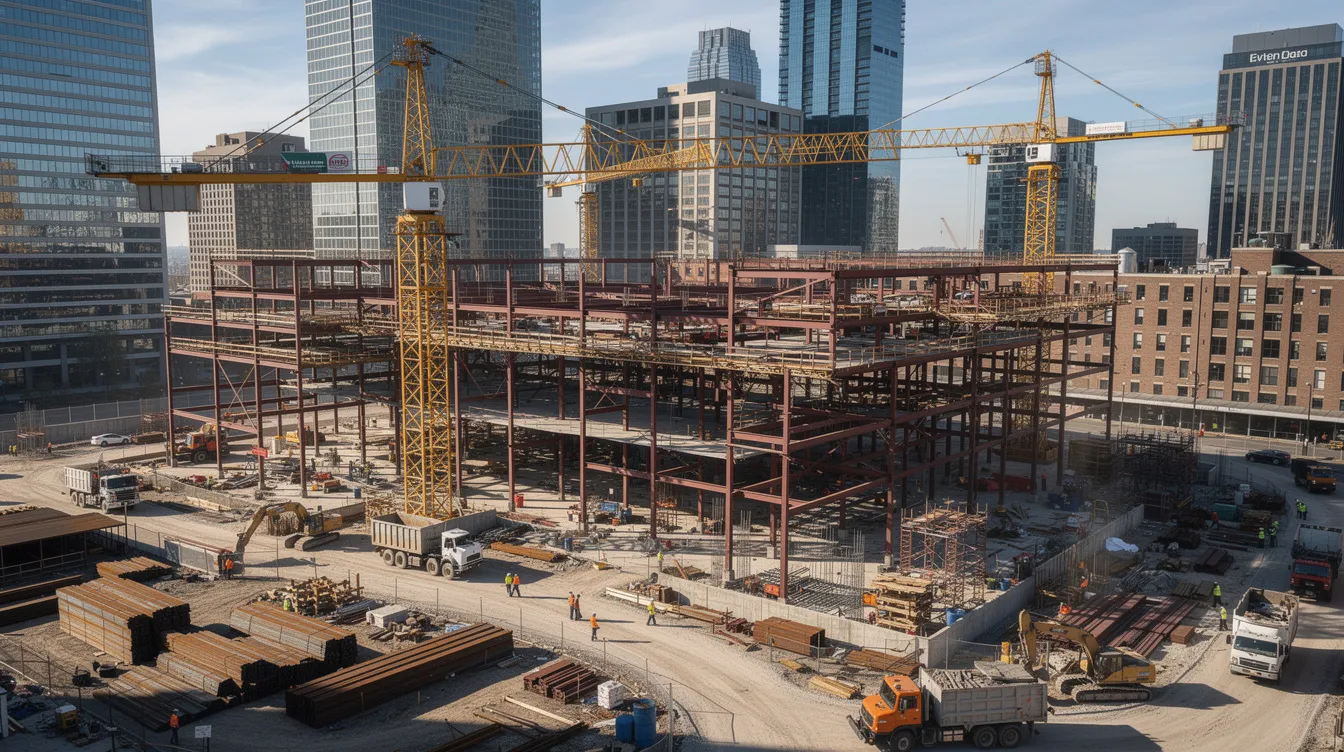
The cleanest way to read Michigan right now is by following project concentration, not broad market talk. Southeast Michigan stands out because multiple large developments are pulling on the same labor pool at the same time. State transportation spending is keeping heavy civil volume in motion. Utility work is expanding because power reliability and capacity are now tied directly to whether large projects can move.
On the public side, MDOT’s current five-year transportation program outlines roughly $16.1 billion in planned investment, with about $10.7 billion tied to the trunkline highway program alone. That gives Michigan a real base of long-cycle infrastructure work even before private megaprojects are layered on top.
On the private side, the biggest pressure points are tied to power-heavy development, industrial upgrades, and the kind of complex urban work that continues to reshape Detroit. That mix creates a market where labor competition does not stay inside one lane. Civil, utility, MEP, field leadership, estimating, and coordination talent all start getting pulled at once.
Major Detroit and Southeast Michigan Projects to Watch
Detroit and the surrounding region remain the center of gravity for the Michigan story. Some of that comes from downtown and public-realm work. A bigger share now comes from data center and utility-driven development outside the urban core.
Project Cannoli in Van Buren Township
Project Cannoli is one of the clearest examples. The proposed campus in Van Buren Township received preliminary site plan approval in February 2026. Reporting around the project has described it as a 1-gigawatt data center proposal on roughly 280 acres, with local debate centered on power demand, water use, and long-term community impact.
The point for contractors is not just the size of the site. It is the type of work it pulls forward. Projects like this drive demand for site civil leaders, electrical and mechanical coordination, utility planning, procurement discipline, and field teams that can work in tight sequences without losing pace.
Stargate Michigan in Saline Township
The other headline project is the new Stargate campus in Saline Township. Reuters reported that OpenAI, Oracle, and Related Digital announced a 1-gigawatt Michigan campus expected to create more than 2,500 union construction jobs, with construction set to begin in early 2026.
This matters beyond one site. It reinforces a larger shift already building across the Midwest. Power access, utility coordination, cooling strategy, and land position are now shaping where large projects get built. Michigan is now part of that map.
Detroit Urban Work Still Counts
Not every important Michigan project is a greenfield megasite. Detroit still has meaningful urban construction volume that matters for contractors working mixed-use, civic, and public-space work. The Joe Louis Greenway remains a visible example. The city says the 27.5-mile loop is intended to connect 23 neighborhoods, with a goal of completing the full loop by the end of 2030.
That is not the same labor profile as a hyperscale data center. It still adds pressure. Civil contractors, utilities crews, lighting, streetscape, and public works teams all get pulled into the same regional labor mix.
Recent work like Hudson’s is useful as proof that Detroit can still support large, complex commercial construction. It should not be treated as the lead story now. The bigger Michigan opportunity sits in what is active, advancing, or clearly funded next.
Michigan Infrastructure Projects Driving Heavy Civil Work
Michigan does not need private megaprojects alone to stay busy. The state already has a serious infrastructure pipeline. That is why this page should rank on project intent, not just headline interest.
MDOT’s 2026 to 2030 transportation program sets the floor. The agency’s published plan shows broad statewide investment across highways, bridges, rail, transit, ports, and aeronautics, with the highway program still carrying the largest share. For heavy civil contractors, that matters because it keeps public work moving even if one private sector slows down.
I-94, I-375, and Regional Corridor Work
Several metro Detroit corridor projects keep showing up as major markers. MDOT continues work tied to the I-94 corridor near Detroit Metro Airport, and the agency’s I-375 project remains one of the most watched reshaping efforts in Detroit. That project is not just road work. It is about access, urban reconnection, land use, and long-term development around the corridor.
I-696 corridor work is another reminder that Michigan’s transportation program is still a major labor absorber. That work keeps demand steady for civil superintendents, PMs, staging leaders, traffic control, concrete, bridge, and utility coordination talent.
Why the Infrastructure Base Matters
Public work changes the hiring picture even for private contractors that never touch a state job. It sets a wage floor in some trades, keeps experienced field leaders committed to long-cycle civil work, and makes it harder for late-moving employers to pull proven people when they suddenly need them.
| Sector | What is driving activity | Main pressure point |
|---|---|---|
| Data centers | Large power loads, utility coordination, site development | MEP leadership, field coordination, procurement |
| Transportation | MDOT program depth, corridor reconstruction, bridge work | Civil PMs, supers, traffic and phasing expertise |
| Utilities | Grid upgrades, substation work, pipeline modernization | Power delivery experience, safety, permitting |
| Detroit urban work | Public-space projects, mixed-use complexity, civic improvements | Urban site logistics, subcontractor coordination |
Energy and Utility Projects Changing Where Work Gets Built
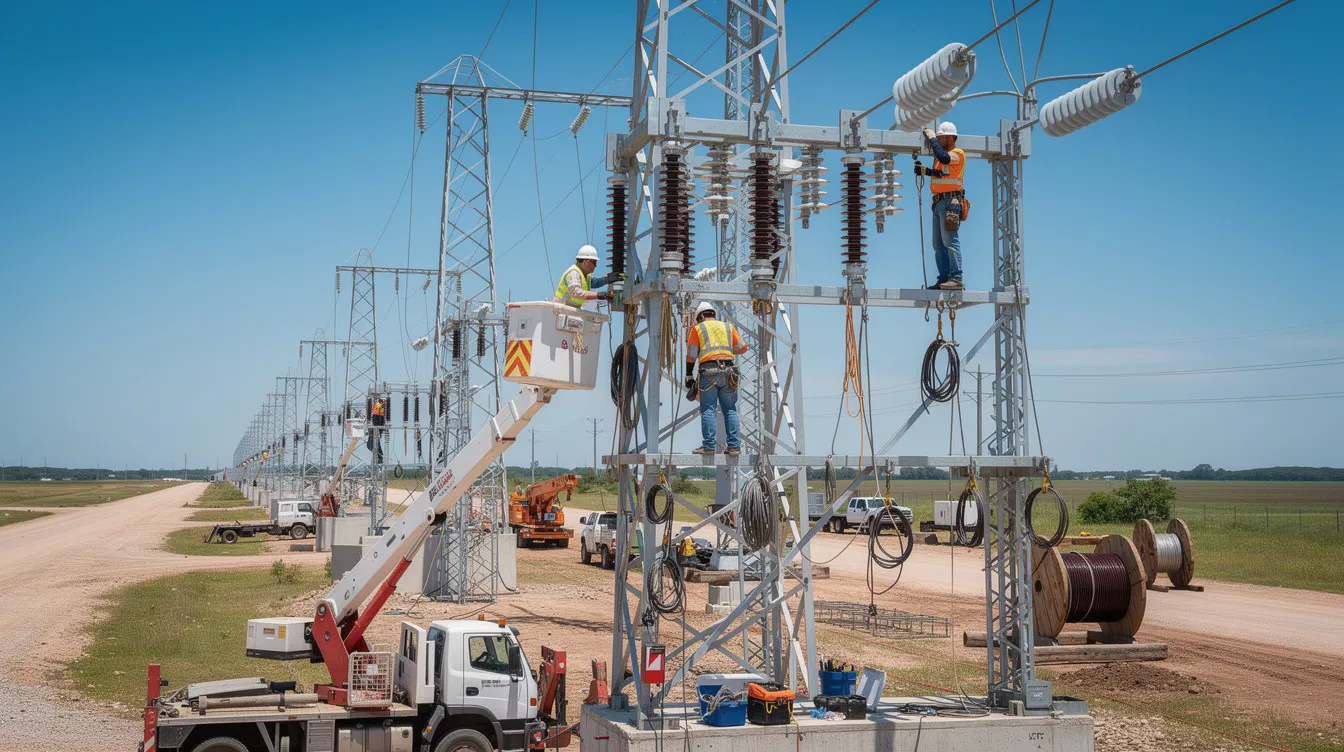
Power is not a side story anymore. In Michigan, it is becoming part of the site selection story. Large digital infrastructure projects push utilities, regulators, and developers into the same conversation much earlier than before.
DTE Grid Upgrades
In February 2026, the Michigan Public Service Commission approved an additional $242.4 million for DTE Electric investments tied to grid upgrades. The approved package included pole modernization, undergrounding pilots, substation work, and EV charging infrastructure. That matters because capacity and reliability upgrades are no longer abstract utility topics. They affect whether large private projects can move on time.
Consumers Energy and Pipeline Modernization
Utility construction also extends into natural gas infrastructure. Consumers Energy says its Mid-Michigan Pipeline Project replaced about 55 miles of older transmission pipeline with new 36-inch pipe across five counties in a roughly $550 million effort. The company completed that work in late 2024, which makes it more useful here as proof of ongoing utility capital deployment than as a new 2026 headline.
The larger point is simple. Michigan has enough utility work in motion to keep project managers, safety leaders, field supervisors, and specialty crews busy outside the usual commercial building cycle.
Industrial and Private Investment Still Add Weight
Michigan’s pipeline does not stop at data centers, highways, and utilities. Industrial work still matters. Automotive retooling, supplier investment, logistics facilities, and other private capital projects keep adding demand across the state. Those jobs do not always come with the same public attention, but they compete for many of the same experienced leaders.
That is why hiring managers should not read Michigan as one isolated trend. It is not just “Detroit.” It is not just “AI.” It is a stacked market where several categories of work can pull from the same talent base at once.
What These Projects Mean for Contractors and Hiring Managers
The biggest risk is not lack of work. It is underestimating how fast leadership bottlenecks show up once projects hit the field at the same time.
For data center and utility-heavy work, project managers who understand power delivery, cooling, phasing, and owner coordination will stay hard to find. On the civil side, superintendents with corridor work, bridge, utility, and staging experience will stay valuable. Estimators who can price power, utility conflicts, and complex site packages cleanly will also be under pressure.
Michigan can still be a strong market for firms that move early. It gets harder for firms that wait until award to start looking.
That is where tools like a current salary guide help. In a market like this, compensation gaps and slow decision-making can cost more than most teams want to admit.
Where Labor Pressure Will Rise First
Southeast Michigan is the first place to watch. Saline Township, Van Buren Township, Detroit, and the surrounding corridor work all point to the same thing. The pressure will show up first in field leadership, utility-aware PM talent, and specialists who can manage complex scopes without slowing down.
Michigan is not just a general growth story. It is a real project map. Contractors that read it early can staff ahead of demand. Contractors that treat it like background noise will end up chasing people after the market has already tightened.
Frequently Asked Questions About Michigan Construction Projects
What are the biggest construction projects in Michigan right now?
The largest construction projects in Michigan include major data center developments in southeast Michigan, ongoing MDOT highway and bridge work, utility and grid upgrades, and large-scale industrial and manufacturing projects concentrated around Detroit and surrounding areas.
Where is construction activity highest in Michigan?
Construction activity is highest in southeast Michigan, including Detroit, Ann Arbor, Saline Township, and Van Buren Township. These areas are seeing increased development driven by data centers, infrastructure projects, and utility upgrades.
Why are large construction projects increasing in Michigan?
Large construction projects are increasing due to infrastructure investment, power and utility upgrades, and private sector development such as data centers and industrial facilities. These factors are enabling more large-scale projects to move forward across the state.
What types of construction projects are growing fastest in Michigan?
The fastest-growing construction sectors in Michigan include data centers, transportation infrastructure, energy and utility projects, and industrial development. These sectors require specialized expertise and are driving most of the current project activity.
How are major projects impacting construction hiring in Michigan?
Major construction projects are increasing demand for experienced superintendents, project managers, estimators, and operations leaders. As multiple projects move forward at the same time, contractors are competing for a limited pool of qualified leadership talent.
More Questions About Michigan Construction Projects
What major construction projects are planned near Detroit in 2026?
Major projects near Detroit include large data center development in southeast Michigan, ongoing corridor and highway work, public-space construction, and utility upgrades that support future commercial and industrial growth.
Are data centers driving construction demand in Michigan?
Yes. Large data center proposals in southeast Michigan are increasing demand for site civil work, utility coordination, electrical infrastructure, mechanical systems, and experienced field leadership.
Which Michigan construction sectors are creating the most hiring pressure?
Data centers, transportation infrastructure, utility work, and industrial projects are creating the most hiring pressure. These sectors often compete for the same superintendents, project managers, estimators, and operations leaders.
Why do infrastructure and utility projects affect construction staffing in Michigan?
Infrastructure and utility projects absorb experienced field leaders and specialty crews for long periods. That reduces available talent for private contractors and makes it harder to staff complex projects after award.