
Michigan Construction 2026: Workforce Demand, Skills, Hiring Trends, and Strategies That Win
Michigan’s construction industry heads into 2026 with strong demand and a tight talent market. Federal and state infrastructure spending, EV and advanced manufacturing projects, and steady renewable energy builds are creating more work than the current workforce can support. National models indicate the U.S. industry needs hundreds of thousands of additional workers to meet demand. In Michigan the constraint shows up in long backlogs, higher wages, and faster promotions for field leaders who have safety credentials and digital fluency.
This analysis lays out workforce projections, in-demand skills, hiring trends, regional drivers, training pipelines, and practical strategies for contractors and candidates. Use it to plan crews, set compensation, and map your next move. For role-by-role ranges, see the 2025–2026 Construction Salary Guide. If you are hiring, start a confidential search. If you are exploring a move, submit your resume for soft-touch outreach.
2026 Workforce Demand Projections
Michigan construction employment remains on a growth path through 2026. The Infrastructure Investment and Jobs Act keeps funds flowing into transportation, water, and broadband. EV battery and semiconductor-adjacent facilities add industrial work that requires both traditional trades and clean-build practices. Renewable energy adds electrical and heavy civil packages that support steady hiring across regions.
Market signals point to hiring plans at many firms. Yet capacity stays tight as retirements and training timelines strain supply. The result is a durable gap between open roles and qualified applicants. Contractors report sustained needs for superintendents, project engineers, estimators, electricians, HVACR technicians, plumbers and pipefitters, ironworkers, and equipment operators. Concrete, steel, and structural crews see consistent overtime. Field leadership with traffic control and safety command gets premium pay.
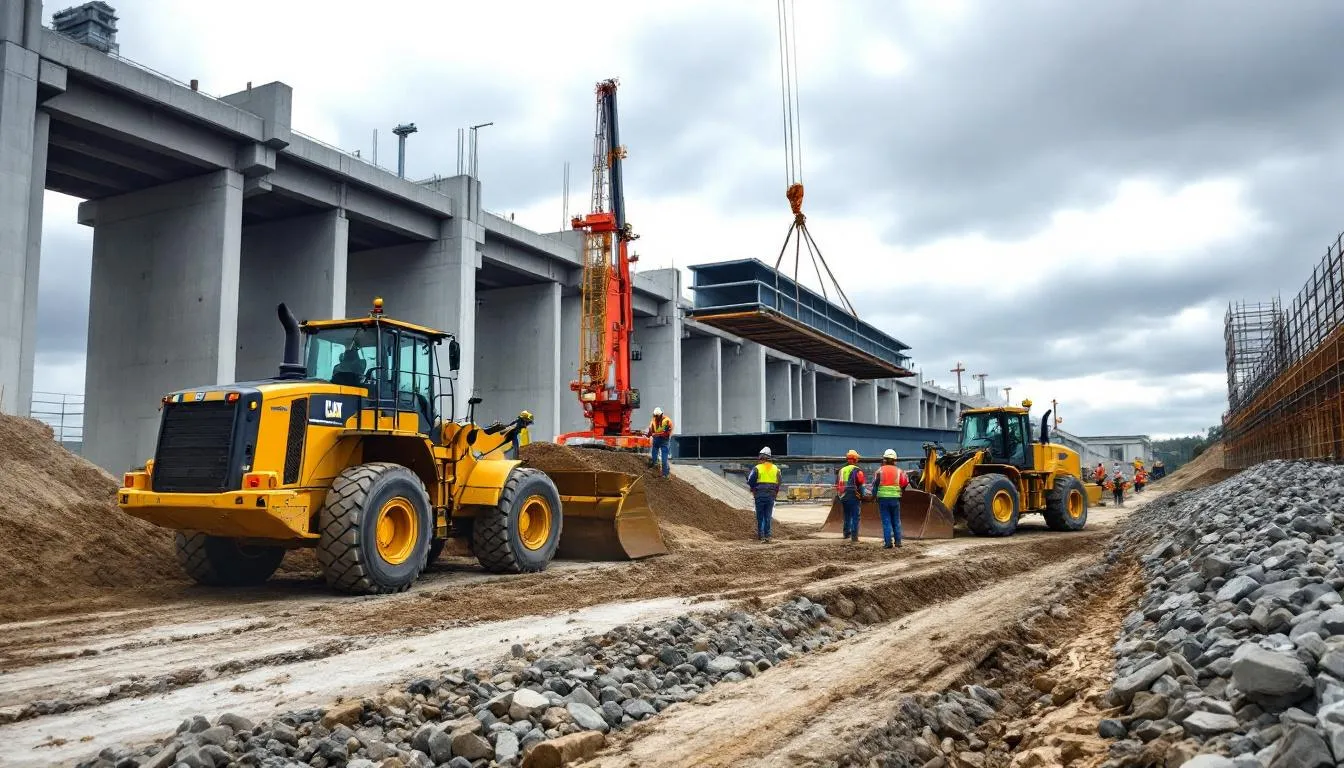
Southeast Michigan leads demand with corridor modernization and large industrial programs. West Michigan sees trunkline resurfacing, safety projects, and suburban growth work. Statewide industrial activity ties to EV supply chains and advanced manufacturing. These jobs mix structural work with building systems and process integration that call for specialized skills and strict safety practices.
Most In-Demand Construction Skills for 2026
The 2026 workforce combines trade mastery with digital coordination. You still need hands-on skill to pour, set, tie, rig, and run equipment. You also need basic model literacy and field apps to keep schedules and quantities aligned with real-time decisions.
- Core trades: electricians, HVACR, plumbers and pipefitters, ironworkers, equipment operators, concrete finishers, rebar and structural crews.
- Digital skills: BIM coordination, model-based takeoffs, cloud document control, mobile QA and photo logs, punchlist tools.
- Safety credentials: OSHA 10 or 30, traffic control, confined space, ACI concrete, signal and low-voltage cards for ITS corridors.
- Energy and sustainability: solar and storage installs, commissioning basics, air barrier and envelope testing.
Workers who pair trade skill with digital fluency move up faster and earn more. Foremen who can run crews and update quantities in the same shift protect margins and schedule. Estimators with model literacy bid more work with fewer misses. For pay ranges, see Senior and Chief Estimator Salaries and Superintendent Pay.
Hiring Trends and Recruitment Challenges
Competition for talent raises wages, signing bonuses, and performance pay. Firms post clear promotion tracks to keep rising leaders. They expand benefits and training budgets to lower turnover. Preconstruction and project engineering teams support flexible arrangements where the role allows it. That widens the candidate pool and keeps documentation moving between field and office.
Large programs often prefer local participation. Contractors balance that target with a regional network for niche skills. Immigration and out-of-state recruiting remain part of the plan when local pipelines cannot fill specialty roles. Apprenticeship partnerships expand, but time-to-competency still limits throughput. The path forward is to teach digital coordination earlier in trade programs, then stack safety and specialty cards as workers advance.

Regional Growth Drivers Shaping 2026 Demand
MDOT corridors: multi-season reconstruction, bridges, culverts, drainage, safety countermeasures, and ITS upgrades. See MDOT for program overviews and lettings. Traffic control and night work drive safety staffing and schedule pay. Document control and QA keep inspectors moving and reduce claims.
EV and advanced manufacturing: clean-build standards, specialty MEP, process rooms, and automation. These jobs pay well and favor crews that can read spec details and sequence work around commissioning milestones.
Renewables and grid: solar, storage, and substation work require electrical and heavy civil teams with added safety scope. Wind and utility packages often include rural logistics and winter scheduling.
Multi-family and infill: steady demand in metro areas keeps vertical trades busy. Interest rate movement shifts timing but not the long-term need for supply. Envelope and commissioning skills support energy goals and owner expectations.
Major Projects Influencing Workforce Needs
- International bridge and corridor programs: complex staging, structural packages, and extensive safety plans create multi-year needs for field leadership, inspectors, and specialty subs.
- Flex-route and freeway modernization: MOT, drainage, and ITS scopes open work for electricians, low-voltage techs, and civil crews.
- Advanced manufacturing hubs: EV battery plants and component suppliers require clean areas, process tie-ins, and precise tolerances.
Workforce Development and Training Initiatives
Michigan colleges and trade programs expand hands-on instruction that tracks real site work. Contractors help shape curriculum and hire graduates into apprenticeship paths. Mentorship keeps institutional knowledge alive as senior leaders retire. Programs pair near-retirement foremen with apprentices to transfer site literacy and reduce rework. Safety certification climbs early in the journey so crews can take on more responsibility sooner.

Economic Impact and Cost Considerations
Labor gaps affect schedules and budgets. Stack crews carefully and build float into staged work. Lock key subs and materials for high-risk scopes. Use model-based quantity tracking and field photos to keep payouts accurate and avoid disputes. Wage inflation reflects the value of scarce skills. Strong productivity and quality control protect margin even as base pay rises.
Strategies for Construction Firms
- Capacity planning: align recruiting to bid calendars and likely awards. Hold a rolling 90-day look-ahead for crew needs and certifications.
- Preferred partners: formalize relationships with signals, structures, and MOT specialists. Use JVs to manage peaks without stretching supervision.
- Career ladders: publish steps from apprentice to foreman and superintendent. Tie pay to skills and safety performance.
- Productivity tech: standardize field apps, model coordination, and digital QA. Train superintendents and foremen on the same workflows.
- Competitive packages: base pay plus bonus opportunity, tool and vehicle programs, paid training, and clear promotion timelines.
Build your 2026 hiring plan: Start a confidential search or book a 15-minute call.
Advance your career: Submit your resume and we will connect you with Michigan contractors that match your goals.
Candidate Playbook: How to Stand Out in Michigan
- Stack credentials: OSHA 10 or 30, traffic control, ACI, fall protection, confined space, and equipment cards.
- Show digital competency: list BIM exposure, model takeoffs, plan markups, and the field apps you use.
- Prove schedule control: bring three examples where your planning kept a stage on track or protected a milestone.
- Be mobile: be open to projects beyond your home district. Many firms rotate crews among counties.
- Target growth sectors: EV, healthcare, industrial manufacturing, and heavy civil pay premiums for proven teams.
For Hiring Managers: Checklist
- Publish a clear scope, schedule, and decision process in the posting.
- Offer paid training and show a real promotion path.
- Move fast on finalists. The best candidates have multiple offers.
- Benchmark comp with the Salary Guide and add performance pay tied to quality, safety, and schedule.
Frequently Asked Questions
Which Michigan trades will see the strongest demand in 2026?
Electricians, HVACR, plumbers and pipefitters, ironworkers, equipment operators, concrete, and structural crews. Supervisors with traffic control and safety command will stay in short supply.
What credentials help me move up faster?
OSHA 10 or 30, traffic control, ACI, confined space, and equipment cards. Add BIM and model-based coordination basics for faster advancement.
Do major public projects require prevailing wage?
Federally funded work administered by MDOT generally follows FHWA and IIJA rules, including prevailing wage standards.
Where can I benchmark pay?
Use TBG’s 2025–2026 Construction Salary Guide for ranges across superintendents, project managers, estimators, and executives.
How can contractors keep projects staffed?
Align recruiting with bid calendars, set promotion tracks, lock preferred subs, and standardize field apps so crews stay productive.