
1. The Rising Demand for Skilled Workers in Manufacturing Hubs
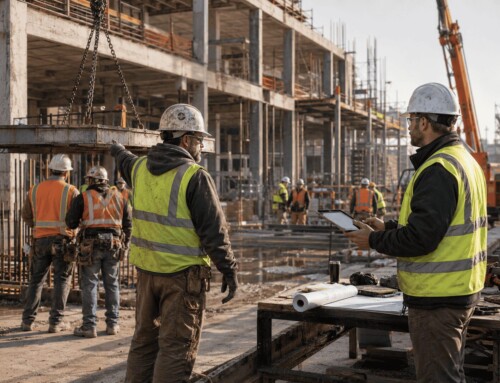
In an era marked by significant changes in the manufacturing landscape, the construction industry is grappling with a notable surge in demand for skilled labor. This trend is particularly pronounced in key manufacturing states such as Arizona, Ohio, New York, and Texas, where a resurgence in onshoring activities is underway.
The root causes of this labor shortage are multifaceted, encompassing the lingering impacts of the pandemic, the retirement of a significant portion of the workforce, and a noticeable decline in young adults choosing construction careers. Construction recruiters are now at the forefront of addressing this challenge, tasked with sourcing talent for increasingly complex projects like electric vehicle battery plants and semiconductor facilities. Read more.
2. Ensuring Women’s Participation in the Emerging Infrastructure Boom
As the construction industry embarks on an unprecedented infrastructure boom, the issue of gender inclusivity has come to the forefront. Despite legislative and organizational efforts, there remains a substantial gender gap in the industry, with women, particularly women of color, significantly underrepresented. They account for just over 14% of the construction workforce.
This disparity extends to the distribution of new job opportunities, with projections indicating limited access for women. The article underscores the necessity of proactive measures for fostering diversity, including setting specific hiring goals, state-level initiatives, and learning from existing models that have successfully achieved gender diversity. Read more.
3. Construction Salary Trends in 2023 and What That Means for Hiring and Getting Hired
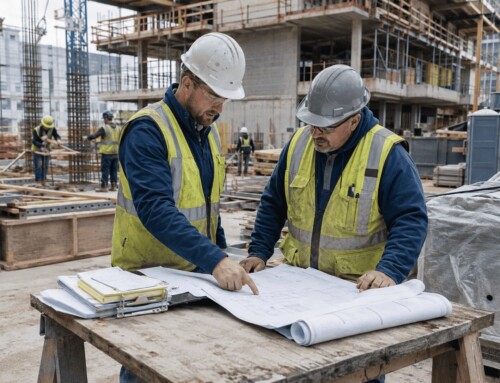
The construction industry in 2023 is witnessing a positive shift in salary trends, with an anticipated average increase of 5% across various roles. This uptick is largely a response to the acute shortage of skilled workers, signaling a competitive and evolving job market. Several factors are influencing these trends: the integration of advanced technology, a heightened focus on sustainable building practices, and the ongoing challenge of the skilled labor gap.
For HR leaders in the construction sector, recruitment and retention are top priorities, with an emphasis on cultivating a positive work culture and investing in employee development. Amid economic fluctuations, companies are also advised to adopt adaptable compensation strategies to remain competitive. Read more.
Conclusion
2023 is shaping up to be a significant year for the construction industry, with major developments in workforce dynamics, gender inclusivity, and compensation trends. These evolving scenarios present both challenges and opportunities for businesses, employees, and recruiters alike, setting the stage for a pivotal period in the construction sector.