How to Land the Best Construction Jobs in 2025
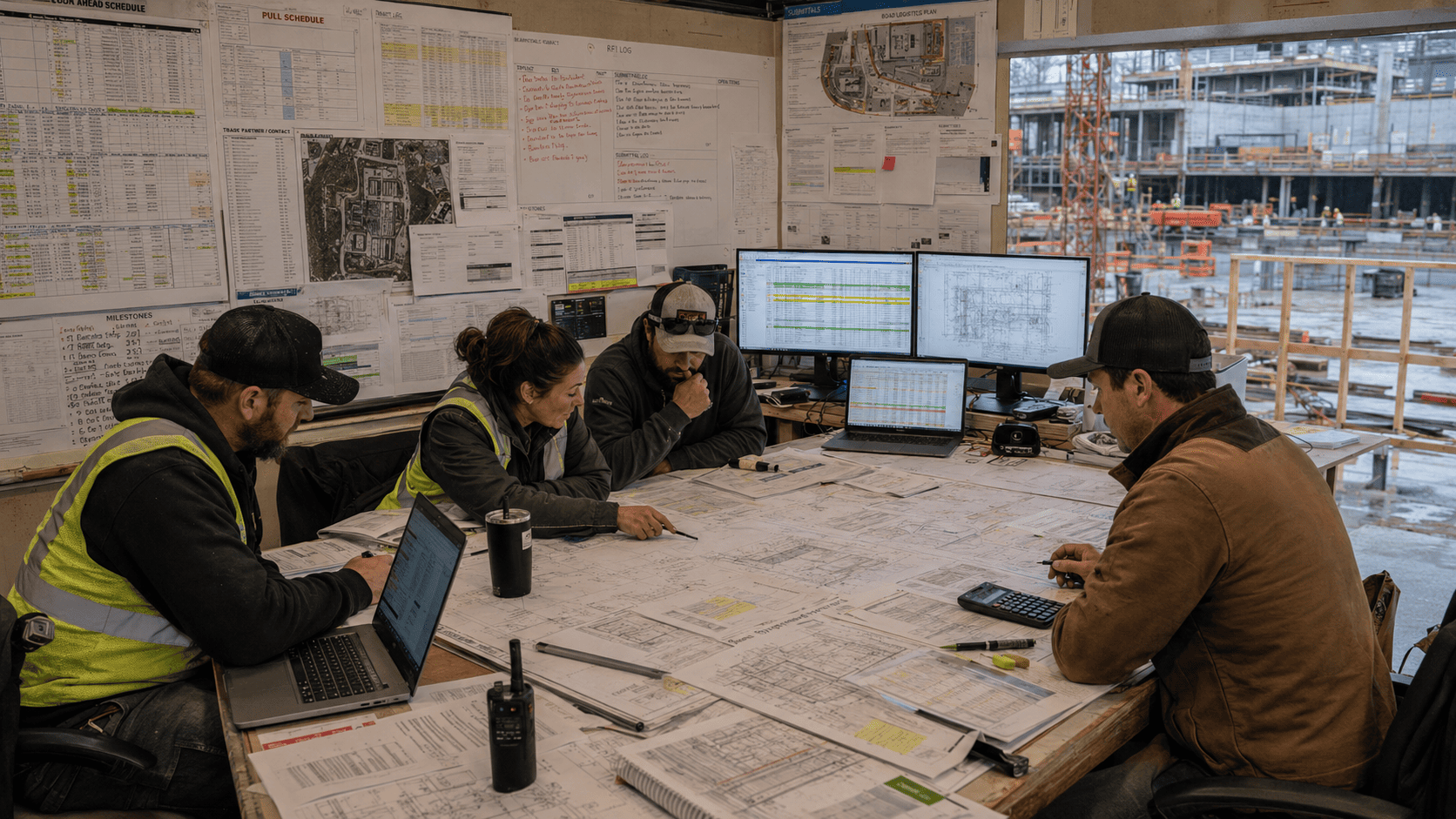
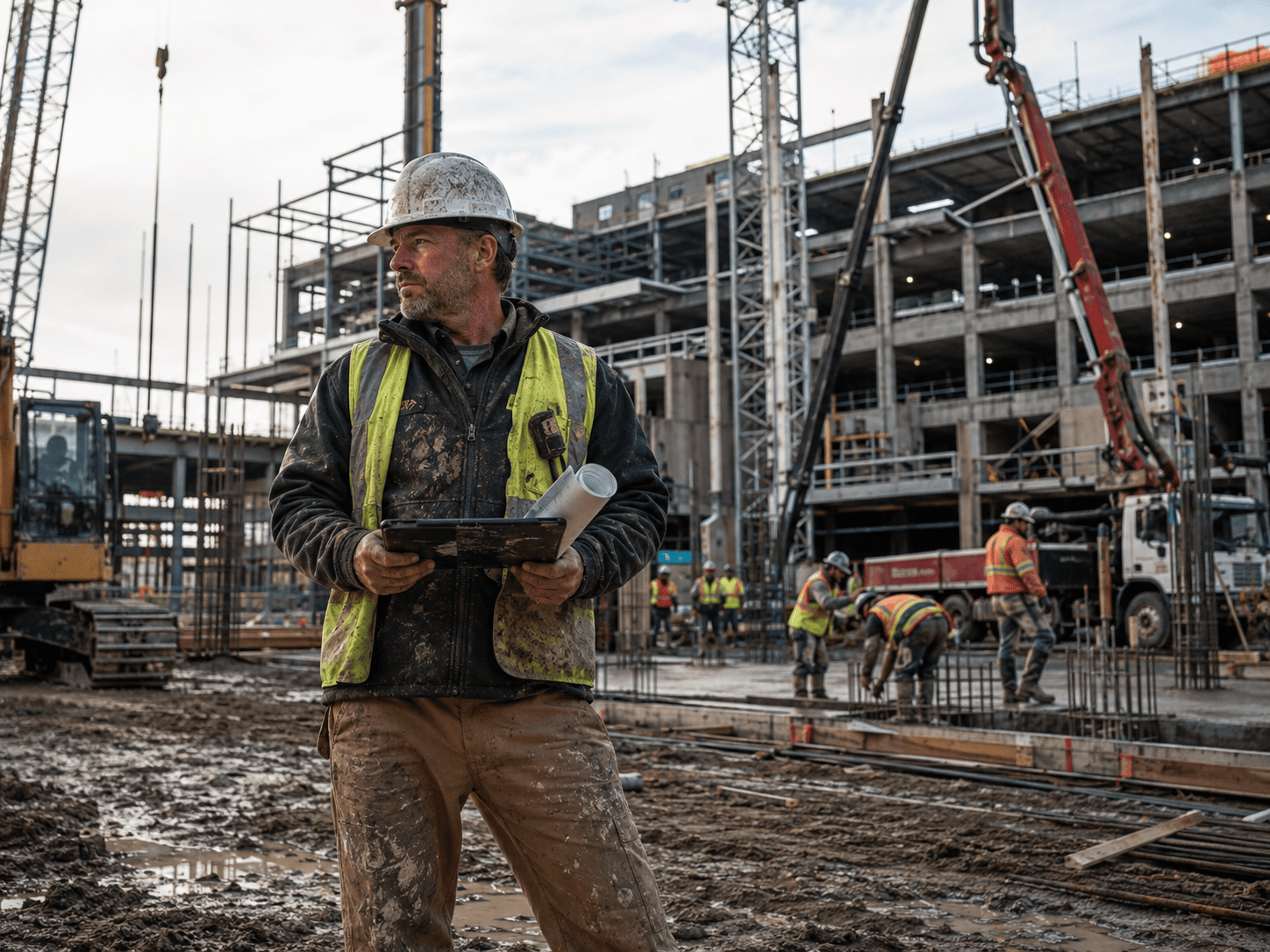
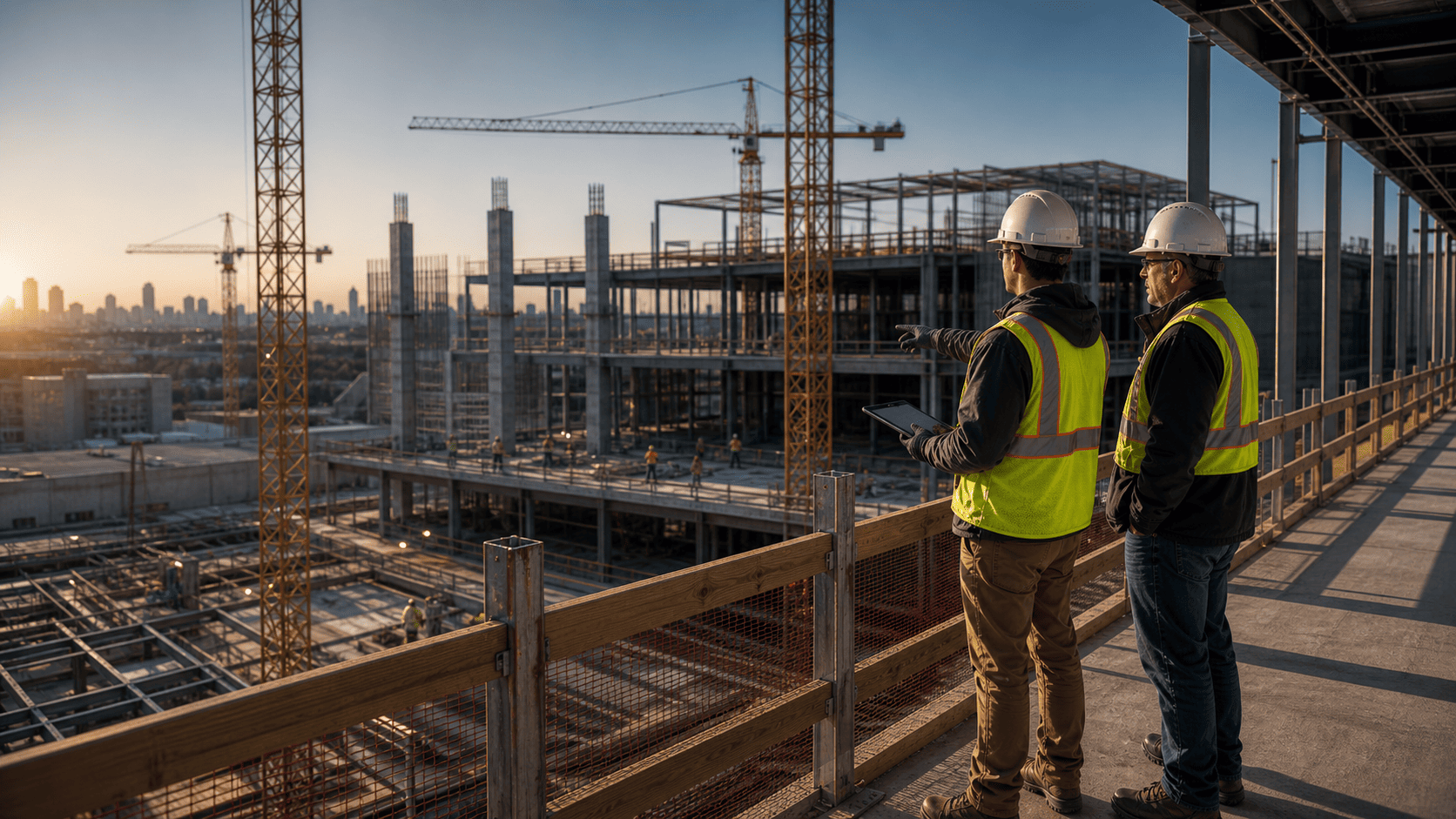
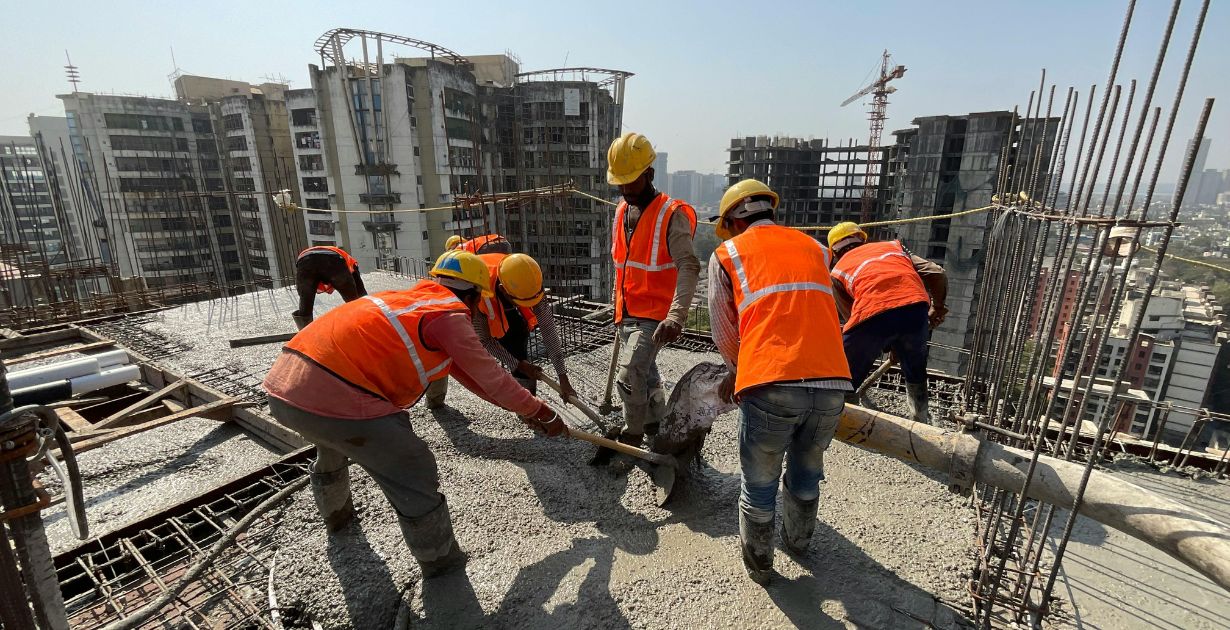
Walk past any construction site in 2025 and you’ll notice something different — the crews are smaller, the signs are everywhere saying “Now Hiring,” and the competition isn’t for workers chasing jobs, it’s for companies chasing construction workers. With more than 439,000 new workers needed nationwide and nearly half the current workforce set to retire in the next decade, the demand for skilled hands has flipped the industry. For anyone willing to roll up their sleeves, construction jobs today aren’t just plentiful — they’re a gateway to career stability, strong wages, and rapid advancement.
According to the Bureau of Labor Statistics, the median annual wage for construction occupations was $55,680 in 2023. In 2025, wages are climbing even faster thanks to the labor shortage and historic federal investments in infrastructure, housing, and renewable energy. Whether you’re brand new to the industry or a seasoned tradesperson, this guide will show you exactly how to position yourself for the best opportunities.

Construction Industry Outlook for 2025
The U.S. construction industry is booming, and it’s no accident. Billions from the Infrastructure Investment and Jobs Act are flowing into roads, bridges, clean energy, and broadband expansion. Pair that with the ongoing housing shortage and a surge in green building, and the demand for construction workers has never been higher.
- Job growth: 8% through 2030 — faster than the national average.
- Annual openings: 41,500+ projected each year.
- Salary growth: 6.2% year-over-year increases in 2025.
States leading the pack include Texas (adding nearly 28,700 jobs in early 2025), California, New York, and Washington. But don’t ignore the South and Mountain West: lower living costs make places like North Carolina and Colorado attractive options for construction workers looking to maximize take-home pay.
Top High-Demand Construction Jobs in 2025
While almost every role in construction is hiring, some jobs stand out as especially lucrative. If you’re a construction worker aiming for growth, these are the trades and specialties to watch:
| Job Role | Average Pay (2025) | Why It’s Hot |
|---|---|---|
| Construction Manager | $130K–$150K (top $200K+) | Oversees multimillion-dollar projects, requires leadership and project planning. |
| Civil Engineer | $95K median | Critical for infrastructure spending and transportation projects. |
| Electrician | $61K–$100K | Demand rising with smart buildings, EV charging, and solar. |
| HVAC Specialist | $57K–$72K | Green energy push drives demand for efficient systems. |
| Solar Installer | $40K–$80K | One of the fastest-growing construction jobs. |
| Heavy Equipment Operator | $48K–$75K | Premium pay for drone and GPS-guided machinery skills. |
Skills Construction Workers Need in 2025
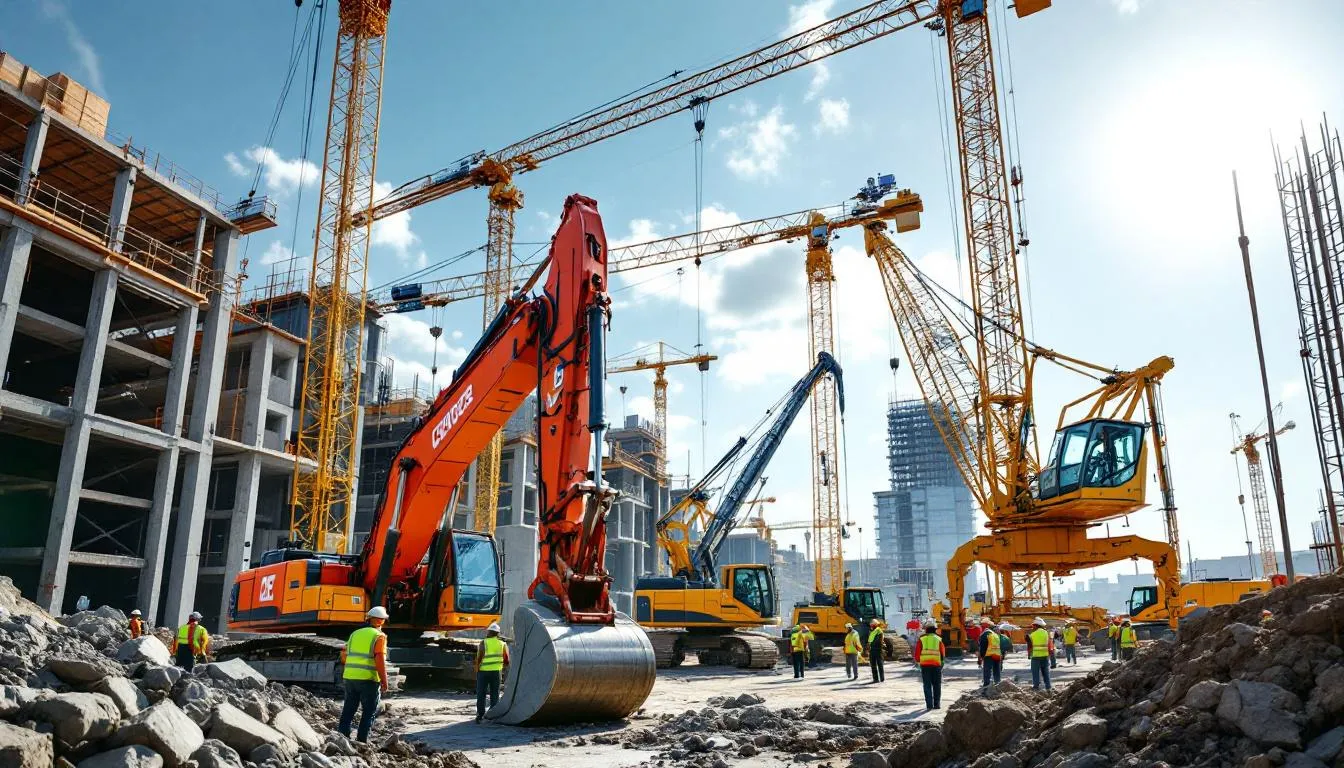
Today’s construction workers need more than muscle. Employers want well-rounded candidates who can keep up with modern demands:
- Safety certifications: OSHA 10/30-hour training is often required. Advanced training in fall protection or hazardous materials can set you apart. (OSHA Training)
- Tech knowledge: Digital blueprints, BIM (Building Information Modeling), drones, and construction management apps are becoming standard.
- Green building: Familiarity with LEED and sustainable construction practices opens doors to higher-paying projects.
- Soft skills: Communication, teamwork, and problem-solving are as valued as technical skills.

Breaking Into Construction Without Experience
Here’s the good news: many construction jobs don’t require prior experience. With demand this high, companies are ready to train motivated candidates. Options include:
- General labor jobs: $17–$22/hour, perfect entry point with room to grow.
- Pre-apprenticeships: 6–12 week training programs that open doors to apprenticeships.
- Apprenticeships: Earn while you learn, combining classroom and site experience over 2–6 years.
- Volunteering: Groups like Habitat for Humanity give you hands-on exposure and skills that employers value.

Career Advancement Opportunities for Construction Workers
Once you’ve got your foot in the door, construction offers one of the clearest advancement paths of any industry:
- Specialized trades: Plumbers, electricians, and HVAC techs earn higher wages and enjoy stronger job security.
- Leadership roles: Foremen and superintendents often earn 20–40% more and gain management experience.
- Project management: With education and experience, many construction workers move into estimating, scheduling, or management.
- Independent contracting: After years of experience, many launch their own businesses and build long-term wealth.
How to Land the Best Construction Jobs
Even with demand sky-high, you’ll still want to stand out. Here’s how:
Resume Tips
- Highlight safety certifications and incident-free records.
- List tools, equipment, and software you know (AutoCAD, Procore, etc.).
- Quantify your work: “Completed $2.3M office project ahead of schedule.”
- Use ATS-friendly formatting with keywords from job postings.
Interview Preparation
- Prepare STAR (Situation, Task, Action, Result) examples for problem-solving and teamwork.
- Research the company’s projects and values before the interview.
- Show enthusiasm for learning new technologies and techniques.
Networking & Job Search
- Join associations like the Associated General Contractors of America.
- Use targeted job boards like The Birmingham Group’s Construction Jobs page.
- Connect with local staffing agencies for temporary-to-permanent roles.
FAQs About Construction Workers and Jobs in 2025
What is the average salary for construction workers in 2025?
Most construction workers earn $55K–$58K annually. Skilled trades and management roles earn significantly more, often six figures.
Are construction jobs stable?
Yes. With infrastructure spending locked in for years and a major labor shortage, construction workers enjoy some of the strongest job security of any industry.
Do I need a degree to get a construction job?
No. Many construction jobs require only a high school diploma or GED. Degrees are typically needed for engineering and management roles.
Which states pay construction workers the most?
Hawaii, Alaska, California, and New York consistently rank highest for wages. Texas and Florida offer strong growth and steady hiring.
Is construction a good career in 2025?
Yes — wages are rising, demand is high, and opportunities to advance into management or specialized trades are greater than ever.
Final Thoughts
For construction workers in 2025, the opportunities are historic. Labor shortages, federal investment, and rising wages mean now is the time to get started — or to take your career to the next level.
Looking for your next step? Explore current construction jobs, check out our construction salary survey, or submit your resume today to connect with expert recruiters at The Birmingham Group.