
The construction labor shortage is not easing in 2026. If anything, it is becoming more selective. Contractors chasing data centers, healthcare campuses, manufacturing plants, and infrastructure packages are competing for a shrinking pool of experienced tradespeople who can deliver complex work on tight schedules.
That competition is driving wages higher for skilled trades in construction, particularly in electrical, mechanical, structural, and heavy civil disciplines. The U.S. Bureau of Labor Statistics projects about 380,100 new construction jobs by 2033, while ABC estimates the industry must attract 349,000 net new workers in 2026 to keep pace with demand. The result is a scarcity premium that pushes total earnings for experienced journeymen and foremen well into six figures in high-demand metros.
This article focuses on the highest paying skilled trades in construction for 2026, the factors driving their compensation, and where demand is concentrated. For hiring managers, it provides market context for compensation planning. For trade professionals and field leaders, it clarifies which roles are worth watching as career paths evolve.
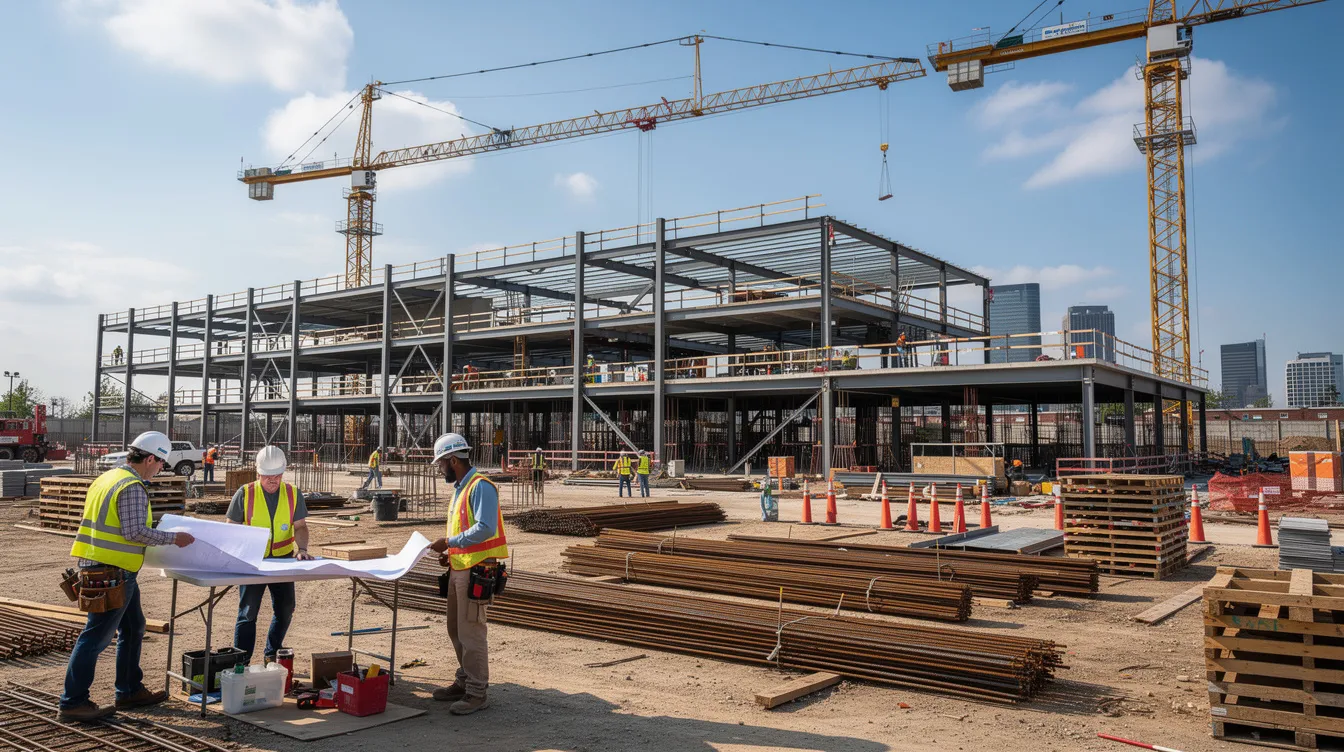
The highest paying skilled trades in construction for 2026
Experienced tradespeople in the top disciplines earn $90,000 to $150,000 or more a year. The highest paying skilled trades in construction right now are:
- Elevator installers and repairers: $82,000 to $150,000+
- Commercial and industrial electricians: $100,000 to $140,000
- Millwrights and industrial mechanics: $100,000 to $140,000
- Plumbers and pipefitters: $95,000 to $135,000
- Structural ironworkers and certified welders: $95,000 to $130,000
- Commercial HVAC/R technicians: $90,000 to $125,000
What Counts as a Skilled Trade in Construction?
Skilled trades in construction are hands-on roles that require technical proficiency gained through apprenticeships, vocational training, trade school programs, or military experience rather than a four year college degree. These are not entry-level labor positions. They demand specific trade skills developed through years of on-the-job training, repetition, and certification.
Construction trade skills typically include:
- Blueprint reading for precise layout and installation
- Operation of specialized tools and other equipment, including laser levels, torque wrenches, and rigging gear
- OSHA safety protocols including fall protection, confined space entry, and hazmat handling
- Applied mathematics for material takeoffs, load calculations, and system sizing
- Troubleshooting complex systems under schedule pressure
The core list of skilled trades in commercial, industrial, and infrastructure construction includes:
- Electricians
- Plumbers
- Pipefitters
- HVAC technicians
- Welders
- Ironworkers
- Millwrights
- Heavy equipment operators (cranes, excavators, dozers)
- Carpenters
- Concrete finishers
- Sheet metal workers
- Elevator installers and repairers
The Birmingham Group recruits for many roles that interface with these construction skilled trades, including superintendents, project managers, estimators, and safety leaders. Understanding trade pay and demand helps both hiring managers and candidates make better decisions about compensation, team structure, and career advancement. For firms trying to strengthen that leadership layer, construction recruiting becomes part of the labor strategy, not a separate issue.
Why Some Skilled Trades Pay More Than Others
Not all skilled trades are paid equally, even on the same jobsite. The 2026 market reflects a mix of scarcity, risk, complexity, and project criticality that separates the trade jobs at the top of the market from standard wage tiers.
Key pay drivers include:
- Skill scarcity: Electricians are projected to grow 9% from 2024 to 2034, with about 81,000 openings per year. When qualified workers are hard to find, pay rises.
- Training duration: A 4 to 5 year apprenticeship to reach journeyman status in plumbing or electrical creates real entry barriers. Retention premiums for certified veterans reflect that investment.
- Safety risk: Ironworkers at height, welders in confined spaces, and crews on industrial turnarounds routinely earn meaningful hazard premiums.
- Physical demands and travel: Shutdown work, remote refinery projects, and multi-state travel for millwrights and pipefitters often mean overtime multipliers that can materially increase base earnings.
- Project criticality: Mission-critical facilities like data centers or hospitals that require uptime push premiums for trades ensuring chilled water, backup power, and system reliability.
- Union vs. non-union markets: Strong union markets in Northeast urban cores, West Coast industrial zones, and Midwest heavy civil work routinely pay above non-union rates for ironworkers, electricians, elevator trades, and pipefitters, plus pension and health benefits.
- Certifications and specialization: NCCER credentials, AWS D1.1 structural welding, ASME pipe welding, NCCCO crane certification, and EPA 608 refrigeration licenses can add significant hourly value. These move skilled workers into the highest paying skilled trades tier.
Large contractors and owners often pay above market to secure scarce trade skills on schedule-critical work. The Birmingham Group sees this reflected in salary surveys and hiring mandates across commercial, industrial, and infrastructure sectors. For hiring managers trying to benchmark the leadership side of that market, the construction salary guide helps frame current compensation expectations more realistically.
Highest Paying Skilled Trades in Construction for 2026
This section focuses on the highest paying skilled trades in construction nationwide for 2026, based on recent industry benchmarks and The Birmingham Group’s search activity. Ranges represent typical total annual earnings, base plus common overtime, for experienced tradespeople in busy markets.
In high-demand metros, experienced journeymen and foremen in electrical, mechanical, and structural disciplines often reach the $90,000 to $140,000+ range. Some specialized roles exceed that. These are not just skilled labor jobs. They are roles tied to project-critical systems, schedule pressure, and hard-to-replace field experience.
| Trade | Typical 2026 Total Earnings (Experienced) | Key Sectors | What Pushes Pay Higher |
|---|---|---|---|
| Commercial/Industrial Electricians | $100,000 to $140,000 | Data centers, hospitals, manufacturing | Medium-voltage, controls, union markets |
| Plumbers & Pipefitters | $95,000 to $135,000 | Healthcare, industrial, energy | ASME welding, medical gas, steam systems |
| HVAC/R Technicians (Commercial) | $90,000 to $125,000 | Data centers, hospitals, offices | Chiller experience, EPA certs, on-call OT |
| Structural Ironworkers | $95,000 to $130,000 | High-rise, bridges, stadiums | Height work, union scale, travel |
| Certified Welders (Structural/Pipe) | $95,000 to $130,000 | Refineries, power plants, industrial | AWS/ASME certs, shutdown work |
| Heavy Equipment Operators | $90,000 to $120,000 | Infrastructure, heavy civil, industrial | NCCCO crane cert, complex rigging |
| Millwrights/Industrial Mechanics | $100,000 to $140,000 | Manufacturing, distribution, plants | Precision alignment, shutdowns |
| Elevator Installers & Repairers | $82,000 to $150,000+ | Commercial high-rises, mixed-use | Urban metros, union contracts, OT |
| Concrete/Formwork Specialists | $85,000 to $115,000 | Heavy civil, bridges, tilt-up | Complex pours, infrastructure work |
| Mechanical Insulators | $85,000 to $110,000 | Industrial, energy, healthcare | Process piping, specialized materials |
Electricians (Commercial and Industrial)
Commercial and industrial electricians build and maintain electrical systems including power distribution, lighting, generators, switchgear, and controls in hospitals, manufacturing plants, airports, data centers, and large commercial buildings. This is not residential service work. It is complex, code-intensive installation on construction projects with tight schedules and almost no tolerance for failure.
Experienced journeyman and foreman-level electricians on large projects can reach total compensation in the mid-five to low-six figures in 2026, especially with overtime and night work. The infrastructure and data center buildout continues to push electricians into strong demand nationally.
Specializations that push electricians into the best skilled trades pay tier include:
- Medium-voltage distribution (13.8kV and above)
- Building automation and industrial controls
- Fire alarm and life safety systems
- Data center and mission-critical power redundancy
Licensing requires 4 to 5 years of apprenticeship and NEC code mastery. Union membership in strong metro markets often boosts pay and benefits significantly. BLS also notes that electricians remain one of the faster-growing construction occupations, reinforcing why these skilled trade jobs continue to attract attention from both workers and employers.
The Birmingham Group places electrical superintendents, MEP project managers, and estimators who lead teams of electricians on complex commercial and industrial projects. Understanding the trade market helps these leaders attract and retain qualified workers.
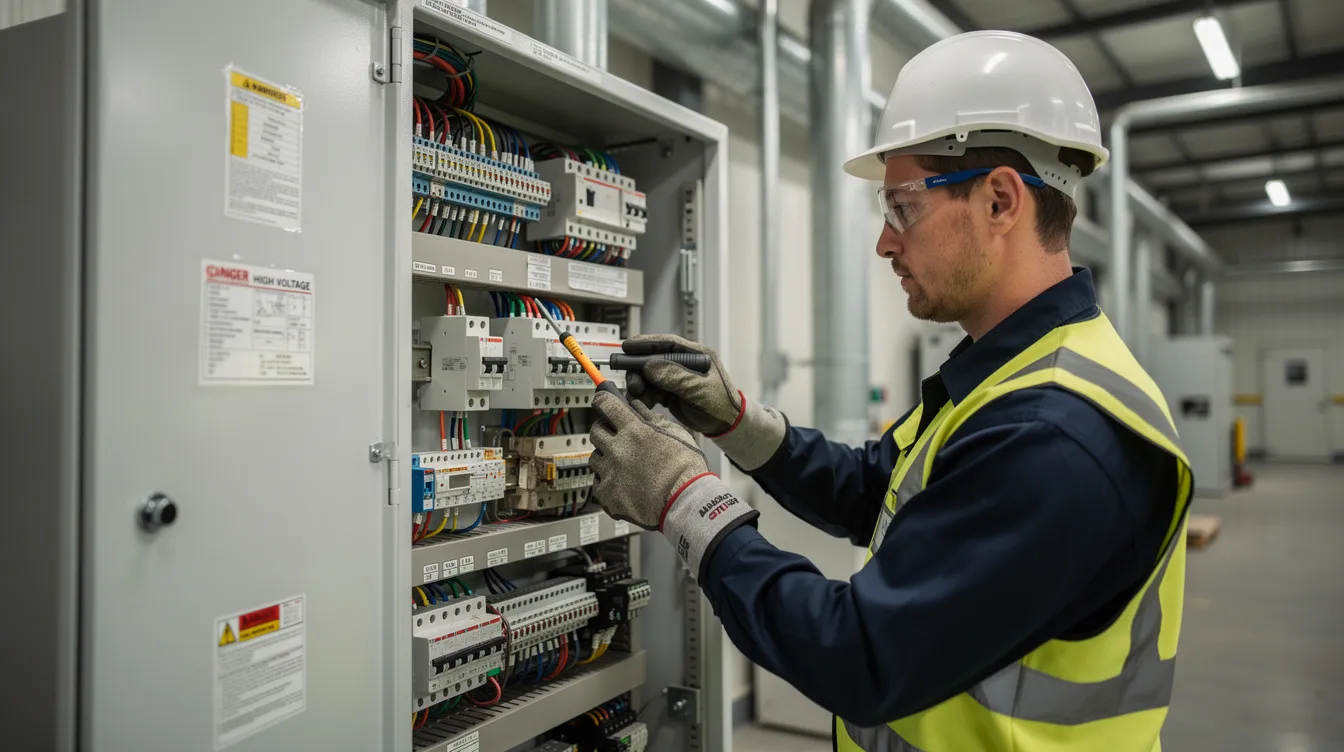
Plumbers and Pipefitters (Commercial / Industrial)
Plumbers and pipefitters occupy different but related niches. Plumbers handle domestic water, sanitary systems, and fixtures in commercial construction. Pipefitters specialize in high-pressure process piping, including hydronic, steam, industrial fluids, and chilled water, in industrial, healthcare, and energy projects.
Both routinely fall into the top paying skilled trades group by 2026, particularly on hospitals, laboratories, manufacturing plants, and energy facilities with complex mechanical systems. The underlying demand is not theoretical. BLS projects about 44,000 openings per year for plumbers, pipefitters, and steamfitters from 2024 to 2034.
Factors driving higher earnings include:
- Advanced welding qualifications, including ASME and orbital welding for pharma and semiconductor environments
- Experience with medical gas systems and steam plants
- Night shutdown work and long-duration industrial turnarounds
- Master plumbers who move into foreman, superintendent, or mechanical contractor ownership
Licensing and apprenticeship timelines run 4 to 5 years. Commercial plumbing experience on large-scale projects commands premiums over residential backgrounds. These are some of the most in demand skilled trades when the work involves uptime, compliance, and complex building systems.
The Birmingham Group frequently recruits mechanical superintendents, plumbing and piping project managers, and mechanical estimators to lead large crews of plumbers and pipefitters on healthcare, industrial, and infrastructure work.
HVAC/R Technicians (Commercial Focus)
Commercial HVAC technicians install and service chillers, rooftop units, VRF systems, boilers, and building automation systems in offices, hospitals, and data centers. This is different from residential service work. It involves larger, more complex systems with higher stakes and tighter tolerances.
By 2026, experienced commercial technicians with strong refrigeration and controls skills can reach high five-figure to low six-figure earnings, especially in Sun Belt metros and on-call service roles with significant overtime. BLS projects HVAC employment to grow 8% from 2024 to 2034, with about 40,100 openings per year, which helps explain why these skilled trades jobs remain attractive.
Key demand drivers include:
- Energy-efficiency retrofits on existing buildings
- Critical uptime expectations in healthcare and data centers
- Maintaining HVAC systems in mission-critical environments
Certifications that matter include EPA 608 universal, state HVAC and refrigeration licenses, and factory training on major OEM equipment. These credentials move HVAC into the highest paying skilled trades in construction bracket.
The Birmingham Group’s clients often seek service managers, HVAC project managers, and mechanical division leaders who grew up in the trade and understand both the technical and business sides.
Welders and Ironworkers
Structural ironworkers erect steel frames, set precast members, and handle high-rise buildings and bridge work. Certified welders join structural steel and pressure pipe in industrial and heavy civil environments. Both face strong demand in 2026.
Pay rises with risk, certification, and willingness to travel:
- Work at height or in industrial plants commands hazard premiums
- AWS D1.1 structural and pipe certifications unlock higher pay tiers
- Megaprojects and shutdowns offer significant overtime earnings
- Bridge erection, refinery work, and power plants are among the trade jobs in demand across industrial and infrastructure markets
Union presence for ironworkers and boilermakers in many markets significantly lifts hourly rates, fringe benefits, and pension value. Strong building trades unions in Northeast and Gulf Coast markets push total packages well above many non-union alternatives.
The Birmingham Group partners with contractors building structural steel and industrial projects, recruiting field leaders and project executives who manage ironworker and welding crews on complex construction projects.
Heavy Equipment Operators and Crane Operators
Heavy equipment operators run excavators, dozers, loaders, graders, and cranes on civil, highway, utility, industrial, and large commercial sites. The range of equipment and project types creates significant variation in pay.
By 2026, experienced crane operators and multi-machine operators, especially those with NCCCO or comparable credentials, rank among the top paying skilled trades in heavy civil and industrial construction.
Pay drivers include:
- Safety-critical loads and complex rigging scenarios
- Congested urban sites requiring precision operation
- Major infrastructure packages funded by federal and state programs
- Overtime on highway, bridge, and industrial shutdown projects
Job security in this trade is strong. Federal infrastructure funding continues to support steady demand for operators who can handle complex lifts and earthwork on schedule-critical projects. These construction trade jobs become even more valuable when the margin for error is low.
The Birmingham Group fills civil superintendents and heavy civil project managers overseeing fleets of operators. Leaders who understand equipment capabilities and trade dynamics are essential for project success.
Millwrights and Industrial Mechanics
Millwrights and industrial mechanics install, align, and maintain rotating equipment, conveyors, production lines, pumps, and compressors in plants, distribution centers, and processing facilities. Their work is technical, precision-based, and often performed during high-pressure shutdowns when downtime costs thousands per hour.
Because of this, millwrights are consistently among the most in demand skilled trades in industrial construction. Total compensation for experienced millwrights routinely reaches $100,000 to $140,000 in 2026, particularly on shutdown and turnaround work.
Skills that increase pay include:
- Laser alignment and vibration analysis
- OEM-specific training on critical equipment
- Multi-state travel to industrial projects
- Ability to work extended shutdown hours under pressure
Millwrights frequently work closely with mechanical contractors and owners that retain The Birmingham Group to staff project and maintenance leadership positions in manufacturing, food processing, and advanced manufacturing facilities.
Elevator Installers and Repairers
Elevator installers and repairers deserve a place in any serious discussion of the highest paying skilled trades. It is a specialized path with a high barrier to entry, dense urban demand, and strong union representation in many major markets. According to BLS, elevator installers and repairers had a median annual wage of $106,580 in May 2024, with the highest earners well above that.
For workers evaluating the best skilled trades, elevator work is one of the clearest examples of a niche that can offer both strong pay and long-term stability.
Where Demand Is Rising in 2026
Demand for construction skilled trades in 2026 is driven by specific project types and geographic hot spots, not just general growth. Understanding where the work is concentrated helps both contractors and trade professionals make better decisions.
National-level demand themes include:
- Federal infrastructure funding driving highway, bridge, and rail work
- Reshoring of manufacturing creating plant construction across multiple sectors
- Explosive data center and logistics growth requiring specialized electrical and mechanical trades
- Ongoing healthcare and multifamily construction in growing metros
Project types with particularly strong trade demand include:
- Data centers and mission-critical facilities: electricians (low-voltage, redundancy systems), HVAC technicians (cooling infrastructure), pipefitters (chilled water systems)
- Hospitals and healthcare campuses: plumbers and pipefitters (medical gas), electricians (backup power and monitoring), sheet metal workers
- Manufacturing and distribution: welders, millwrights, mechanical insulators, electricians for controls and automation
- Transportation and infrastructure: heavy equipment operators, concrete crews, ironworkers for bridges and overpasses
- Large mixed-use and commercial developments: carpenters, elevator installers, electricians, HVAC crews
Regional patterns show Sun Belt metros facing electrician and HVAC shortages on data center and commercial work. Mountain West growth corridors need operators and concrete crews. Gulf Coast industrial hubs compete fiercely for welders and pipefitters. Northeast urban cores pay premiums for ironworkers and elevator installers on high-rise work. These are the regions where skilled trades in demand become a real budgeting issue, not just a hiring talking point.
Demographic pressure compounds this. Retirements continue to outpace new apprentice entrants in many markets, which keeps wage pressure elevated for the top paying skilled trades. The Birmingham Group sees this directly in search assignments, with more requests for superintendents, foremen, and project managers who can attract and retain high-caliber tradespeople on complex projects.
What Contractors and Job Seekers Should Watch
The 2026 market speaks to both contractors building teams and experienced tradespeople or foremen planning career moves. Compensation decisions affect hiring success and retention. Career decisions shape long-term earning potential.
For contractors and hiring managers:
- Lock in key trade partners and relationships early in project planning. Waiting until mobilization creates cost and schedule risk.
- Offer competitive pay and bonuses for critical skilled trades, particularly electricians, pipefitters, and millwrights on schedule-sensitive work.
- Invest in training pipelines through NCCER programs and apprenticeship partnerships.
- Work with specialized construction recruiters like The Birmingham Group to access passive candidates not actively applying online.
- Benchmark compensation regularly against market conditions using tools like The Birmingham Group’s Construction Salary Survey and the more targeted salary survey built for hiring conversations.
For trade workers and supervisors:
- Track which trade jobs in demand are growing nationally and regionally. Data centers, healthcare, manufacturing, and infrastructure still offer strong opportunities.
- Target certifications and niches that command higher pay, including medium-voltage electrical, ASME pipe welding, crane operation, and building automation.
- Consider career paths into foreman, superintendent, field operations, or project management roles where leadership skills amplify earning potential.
- Evaluate total compensation including overtime, night shifts, travel per diems, and benefits, not just base hourly rates.
Union versus non-union considerations, benefits packages, and safety culture should factor into decisions by both employers and candidates. The highest paying jobs in construction often come with corresponding demands around travel, hours, and project complexity. Current openings across skilled trades and specialty construction are listed on TBG’s construction jobs board.
Frequently Asked Questions About the Highest Paying Skilled Trades
What is the highest paid trade in construction in 2026?
Elevator installers and repairers top the list, reaching $82,000 to $150,000 or more in busy metros, followed by commercial electricians and millwrights at $100,000 to $140,000 for experienced workers. For leadership roles that pay even more, see the highest paid construction jobs.
Which construction trades pay six figures?
Commercial and industrial electricians, millwrights, plumbers and pipefitters, structural ironworkers, certified welders, and elevator installers all clear $100,000 for experienced tradespeople in high demand markets.
Do skilled trades pay more than a college degree?
Often, yes. The top trades reach $90,000 to $150,000 without student debt, and demand keeps climbing. ABC estimates the industry needs 349,000 net new workers in 2026.
What pushes a trade to the top of the pay range?
Certifications such as AWS or ASME welding, EPA, and NCCCO crane, plus union scale, data center and industrial work, medium voltage and controls experience, and overtime on schedule critical projects.
Final Thoughts
The highest paying skilled trades in construction for 2026 share common traits: technical complexity, chronic shortages, and project-critical demand. Electricians, plumbers, pipefitters, HVAC technicians, welders, ironworkers, equipment operators, and millwrights are the roles worth watching over the next several years.
Salary alone does not tell the full story. Region, union status, overtime, certifications, and rewarding trade career trajectories into supervision or management all influence true earning potential. A journeyman electrician in a strong union market with data center experience will out-earn the same title in a different context by a significant margin.
For contractors, owners, and developers struggling to secure leadership talent around these skilled trades careers, The Birmingham Group offers executive search, superintendent and project manager recruitment, and market compensation insight. Skilled trades still offer real paths into long-term construction leadership. For the companies that employ them, securing the right leadership to manage trade teams is increasingly critical to project success.
Contact The Birmingham Group to discuss your hiring challenges, compensation benchmarks, or leadership search needs in the construction market.
Hiring skilled construction leaders, or building your career?
TBG has placed construction leaders at the GC, CM, and specialty contractor level since 1967. Let’s talk.