
The construction industry, traditionally reliant on manual labor and conventional methods, faces a significant labor shortage that threatens project timelines and budgets.
In fact, 66% of construction firms report project delays due to labor shortages.
As the industry grapples with these challenges, innovative technologies like artificial intelligence (AI) and blockchain are emerging as powerful tools to fill labor gaps, enhance workforce diversity, and drive unprecedented innovation.
Addressing Labor Shortages with AI
AI has the potential to revolutionize the construction industry by automating routine tasks, improving project management, and enhancing safety measures. Here’s how:
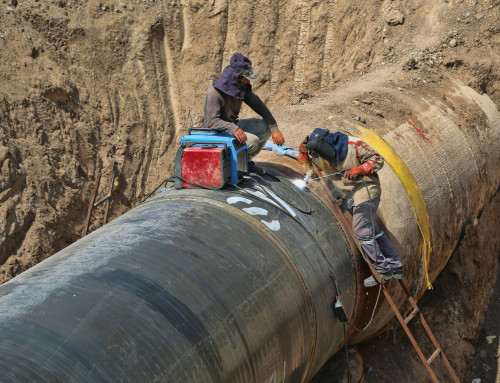
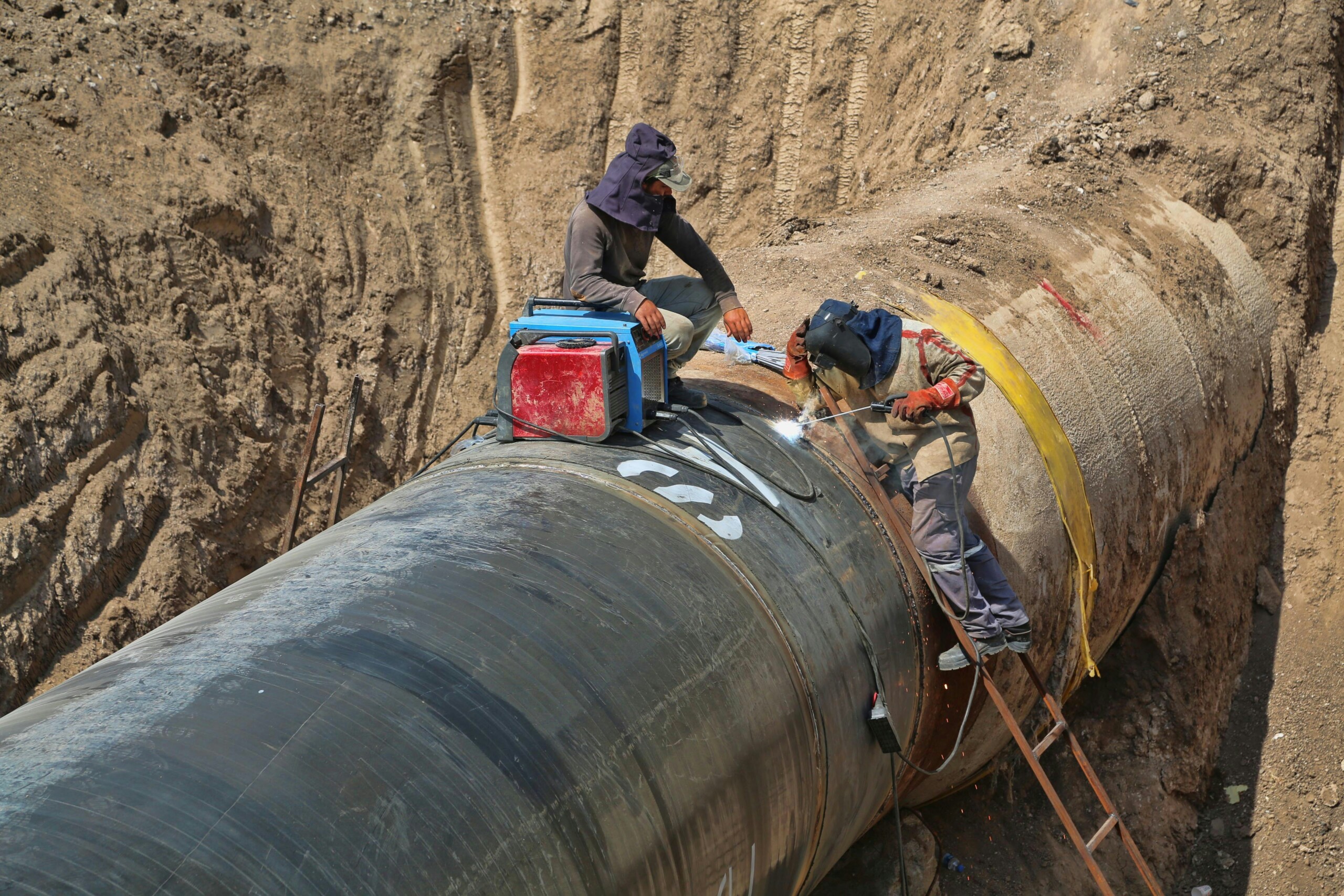
- Automation of Repetitive Tasks: AI-powered robots and machinery can perform repetitive and physically demanding tasks such as bricklaying, concrete pouring, and welding. This not only speeds up the construction process but also reduces the risk of injuries, making the job site safer.
- Enhanced Project Management: AI algorithms can analyze vast amounts of data to optimize project schedules, predict potential delays, and allocate resources more efficiently. This results in more accurate timelines and cost estimations, reducing the likelihood of project overruns.
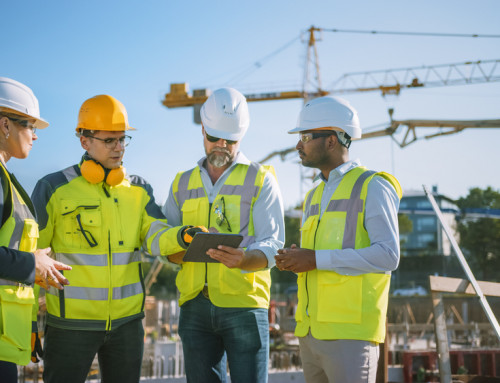
- Improved Safety Protocols: AI-driven systems can monitor construction sites in real-time, identifying potential hazards and ensuring compliance with safety regulations. This proactive approach to safety can significantly reduce accidents and improve overall site productivity.
Leveraging Blockchain for a More Transparent and Efficient Industry
Blockchain technology, known for its secure and transparent nature, offers several advantages to the construction industry:
- Supply Chain Transparency: Blockchain can track the origin, journey, and handling of materials used in construction projects. This transparency helps prevent fraud, ensure quality, and maintain ethical sourcing standards.
- Smart Contracts: Smart contracts on blockchain platforms can automate and enforce contract terms, ensuring that payments are made only when specific conditions are met. This reduces disputes and accelerates payment processes, fostering better relationships between contractors and clients.
- Credential Verification: Blockchain can securely store and verify the credentials of construction workers, ensuring that only qualified individuals are employed. This helps maintain high standards of workmanship and safety on construction sites.
Promoting Workforce Diversity and Innovation
In addition to addressing labor shortages, AI and blockchain can help build a more diverse and innovative workforce in the construction industry:
- Attracting New Talent: The integration of cutting-edge technologies can attract a younger, tech-savvy generation to the construction industry. This influx of new talent brings fresh perspectives and innovative ideas, driving the industry forward.
- Upskilling and Reskilling: AI-driven training programs can upskill and reskill existing workers, equipping them with the knowledge and skills needed to operate new technologies. This not only enhances their employability but also ensures a more versatile and adaptable workforce.
- Promoting Inclusivity: The use of AI and blockchain can help create a more inclusive work environment by removing biases in hiring processes and ensuring equal opportunities for all workers. This fosters a diverse workforce that brings varied experiences and viewpoints to the table, promoting innovation.
Conclusion
The construction industry stands at the cusp of a technological revolution, with AI and blockchain poised to address labor shortages, enhance project efficiency, and foster a more diverse and innovative workforce. By embracing these technologies, the industry can not only overcome its current challenges but also build a foundation for sustainable growth and development in the future.
The Birmingham Group recognizes the transformative potential of AI and encourages industry stakeholders to explore these technologies to stay competitive and drive progress in the construction sector. Contact us to learn more.