
Top Paying Skilled Trades in Michigan 2026 – Electricians, HVAC, Pipefitters
Michigan enters 2026 with one of the strongest markets for skilled trades in the country. Construction activity continues across Southeast Michigan, Ann Arbor, and West Michigan, with large industrial projects, infrastructure upgrades, and data center activity driving steady demand for licensed workers. The $7 billion plus Stargate Michigan development raises the need for electricians, HVAC technicians, and pipefitters across Washtenaw County, while EV and battery manufacturing projects from Ford, GM, and other major companies add sustained opportunities throughout Metro Detroit. These trends place skilled trades at the top of the state’s earnings ladder, and many licensed workers earn more than traditional degree-based careers.
The state projects around 40,600 professional trades openings each year through 2032, while training programs produce far fewer qualified candidates. Contractors report difficulty filling roles across commercial, industrial, and mission-critical environments, and many employers increase wages to secure reliable tradespeople. This wage surge mirrors patterns seen in our broader Construction Industry Outlook for 2026, where Michigan ranks among the states with the strongest demand for electrical and mechanical expertise.
For hiring managers, the shortage creates real pressure. Projects operate on tight schedules, and delays carry high costs. For job seekers, this environment offers strong income potential, rapid advancement, and secure long-term careers. Workers who bring certifications, safety training, and experience with digital systems or industrial controls see the highest compensation. You can compare these trade wages to other field leadership roles using our Construction Salary Guide.
Michigan’s Highest Paying Skilled Trades in 2026
Wages for electricians, HVAC technicians, and pipefitters have climbed across the state due to increased project volume and skill requirements. These ranges reflect real hiring data from Michigan contractors, union wage sheets, and statewide job postings. Commercial contractors continue to compete with data center and automotive projects for the same limited talent, which pushes compensation higher. Similar patterns appear in trends reported by Construction Dive and the Bureau of Labor Statistics.

Electricians earn about $28 to $38 per hour for standard commercial and industrial work across Michigan. Some of the highest-paid roles involve mission-critical systems at data centers, where base rates reach $40 to $45 per hour. Overtime and travel packages increase yearly earnings well into six figures for many licensed electricians, especially those supporting AI and industrial automation projects. Workers with leadership interest can compare earnings with field management roles by reviewing our Project Director Salary Overview.
HVAC technicians see similar growth, with wages in the $26 to $35 per hour range for commercial systems. Data center cooling roles reach $38 to $45 per hour due to precision requirements. Cleanroom facilities in Ann Arbor, pharmaceutical operations in West Michigan, and major automotive plants all rely on advanced HVAC systems that require strong diagnostics and digital controls skills.
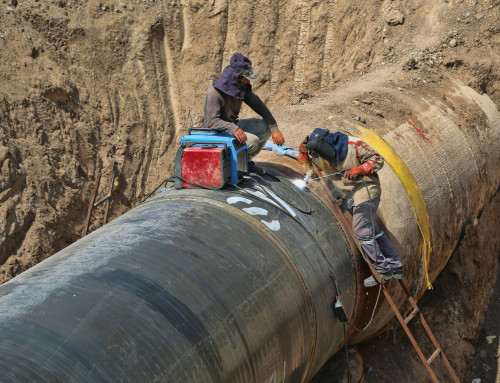
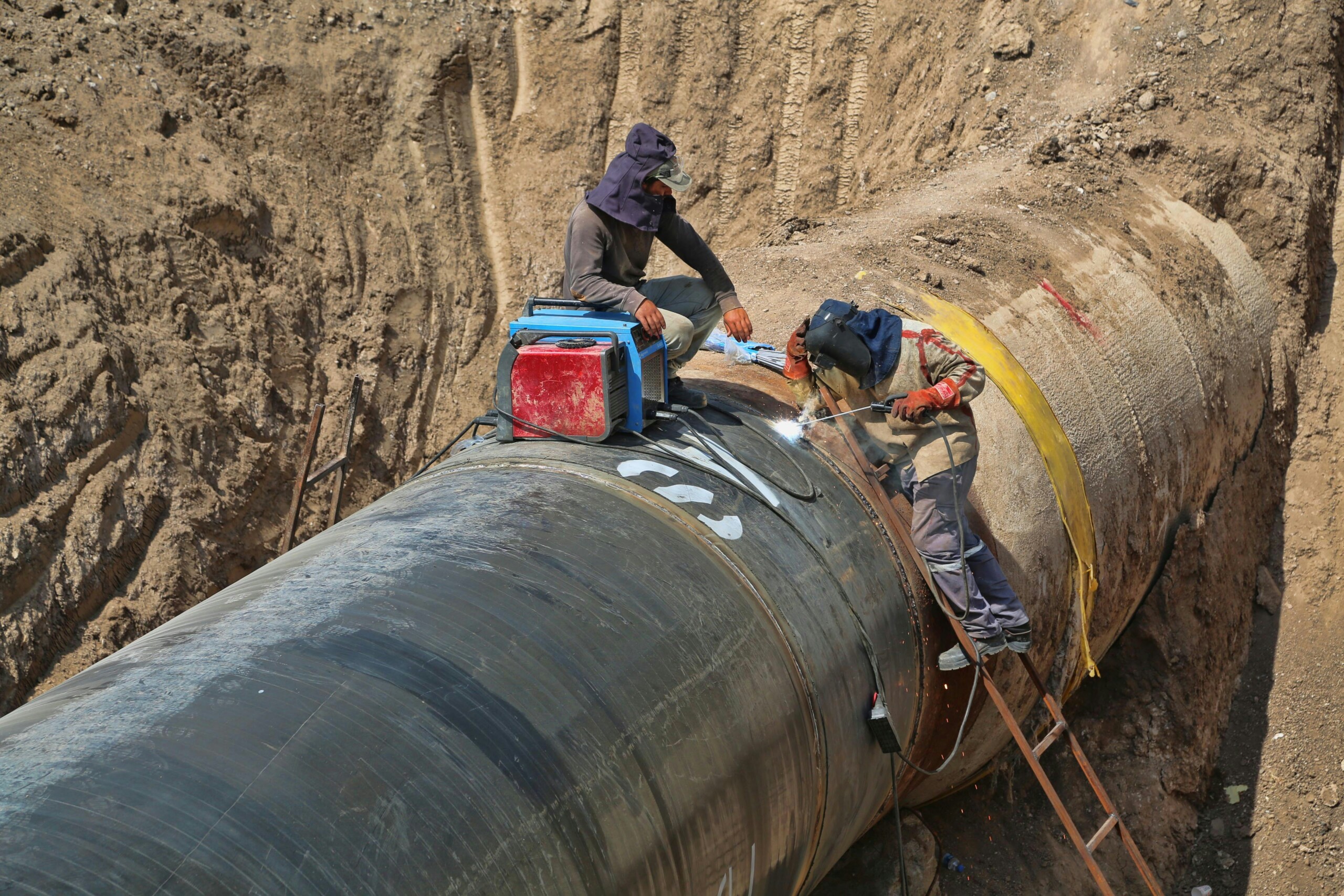
Pipefitters continue to rank among Michigan’s highest-paid trades. Standard industrial roles pay between $30 and $42 per hour, while complex piping systems for chemical processing, research facilities, and fire suppression in data centers reach $45 to $50 plus. Certified welders command additional hourly premiums depending on materials, positions, and safety classifications. Workers can explore related earnings in our General Foreman Salary Report.
How Can We Help You?
For Construction Professionals: Interested in higher-paying skilled trades opportunities? Connect with our recruiting team or view current job openings across Michigan and the United States.
For Hiring Managers: Need licensed tradespeople for critical projects? Submit a search request and secure high-quality talent for upcoming work.
Electricians: Michigan’s Most In-Demand Skilled Trade in 2026
Key Responsibilities and Technical Requirements
Electricians support a broad range of Michigan projects, from commercial buildings and industrial facilities to mission-critical environments that require strict reliability. Modern electrical systems rely on automation, redundant power configurations, and digital controls. Data centers across Michigan require electricians to install power distribution units, backup generators, and complex switching systems. Hospitals, research labs, and EV manufacturing plants rely on similar precision standards. These environments reward workers with specialized training.

EV charging infrastructure creates new electrical specialties across Metro Detroit and Ann Arbor. High-voltage DC systems, safety protocols, and automation integration require electricians with updated training. Industrial automation also increases the need for electricians with knowledge of controls, sensors, and programmable systems. These specialized skills produce some of the highest wages in Michigan’s electrical trade.
2026 Electrician Salary Ranges Across Michigan
Salary ranges reflect data drawn from active postings, union wage sheets, and commercial contractors across Southeast Michigan, Ann Arbor, and Grand Rapids. These numbers align with wage trends tracked by the Bureau of Labor Statistics and Michigan workforce forecasts. To compare these levels with field supervision roles, see our Superintendent Salary Comparison.
| Region / Position | Hourly Base | Overtime | Annual Range | Benefits Value |
|---|---|---|---|---|
| Detroit Metro Union | $32 to $38 | $48 to $57 | $75,000 to $95,000 | $18,000 to $22,000 |
| Detroit Metro Non Union | $26 to $32 | $39 to $48 | $58,000 to $72,000 | $8,000 to $12,000 |
| Ann Arbor and Washtenaw | $30 to $36 | $45 to $54 | $65,000 to $82,000 | $15,000 to $18,000 |
| Grand Rapids Union | $30 to $36 | $45 to $54 | $68,000 to $85,000 | $16,000 to $20,000 |
| Data Center Premium | $40 to $45 | $60 to $68 | $85,000 to $105,000 | $20,000 to $25,000 |
Electricians who travel between job sites earn additional per diem, with many Michigan contractors offering $150 to $200 per day for out-of-area assignments. On large industrial or data center projects, this often adds $30,000 to $40,000 annually. Many electricians surpass the compensation levels shown in our Michigan Salary Inflation Analysis when they combine travel work with overtime during peak construction phases.
Certifications strengthen earning potential. NFPA 70E training, industrial controls knowledge, and data center electrical credentials add hourly premiums. Master Electrician licenses also open pathways to supervisory roles that pay well above standard field rates. These opportunities align with growing demand throughout the state’s industrial and commercial sectors.
Electrician Licensing and Certification Requirements
The Michigan Journeyman Electrician license remains the standard for independent work on most projects. Workers complete approved apprenticeships, meet required experience hours, and pass state exams focused on electrical codes and safety. Employers prefer candidates with current OSHA safety credentials as well. These training paths mirror what we outline in our broader Career Advancement Guide for Construction Workers.
Data center electrical certifications provide clear wage increases. These programs cover uninterruptible power supply systems, redundant circuits, emergency generator coordination, and maintenance protocols for mission-critical environments. Facilities that support AI and cloud computing rely on electricians with this training, and many Michigan contractors now fund credentialing programs to strengthen their teams.
Master Electrician credentials expand access to higher paying roles. Licensed Master Electricians supervise multiple project sites, support planning, and coordinate teams. These responsibilities increase total annual compensation and provide natural progression paths for electricians looking to step into leadership roles within the construction sector.
Electrician Demand Outlook
Michigan expects about 18,500 electrician openings through 2032. This includes new demand created by data centers, EV and battery plants, commercial construction growth, and replacement needs as older workers retire. Reports from AGC and state workforce projections show rising job growth for licensed electricians throughout Southeast Michigan and West Michigan.
EV charging networks, renewable energy projects, and building automation upgrades add more opportunities. These developments strengthen the long-term stability of the trade and give workers clear avenues for advancement in the Michigan job market.
HVAC Technicians: High-Earning Roles in Specialized Environments
Technical Specializations Across Michigan
HVAC technicians work across commercial sites, data centers, industrial facilities, and research environments. These systems require precise installation and troubleshooting. Data centers depend on constant cooling and humidity control to keep equipment stable, and these facilities create many of Michigan’s highest paying HVAC roles. Technicians with experience in digital controls, automated building systems, and refrigerant handling see higher compensation. Many of these career paths align with the upskilling trends outlined in our Continuous Learning and Certification Report.

Industrial HVAC technicians support manufacturing plants, including automotive and battery production sites. These roles involve specialized refrigerants, explosion-safe equipment, and integration with automated systems. Cleanroom settings in Ann Arbor’s research corridor place additional skill requirements on HVAC workers due to strict environmental standards.
2026 HVAC Technician Compensation in Michigan
The following wage ranges reflect real Michigan hiring activity in commercial, industrial, and data center environments. Technicians who complete additional training in digital controls and building automation transition into higher paying roles similar to those found in our Construction Careers Guide.
| Region / Position | Hourly Base | Overtime | Annual Range | Certification Bonus |
|---|---|---|---|---|
| Southeast Michigan Union | $28 to $35 | $42 to $53 | $65,000 to $82,000 | $2,000 to $4,000 |
| Southeast Michigan Non Union | $24 to $30 | $36 to $45 | $52,000 to $68,000 | $1,000 to $2,500 |
| Grand Rapids Commercial | $26 to $32 | $39 to $48 | $58,000 to $72,000 | $1,500 to $3,000 |
| Ann Arbor Cleanroom | $35 to $42 | $53 to $63 | $75,000 to $92,000 | $3,000 to $5,000 |
| Data Center Specialists | $38 to $45 | $57 to $68 | $85,000 to $105,000 | $4,000 to $6,000 |
| Industrial and Chemical | $32 to $40 | $48 to $60 | $72,000 to $88,000 | $2,500 to $4,500 |
Cleanroom technicians and data center cooling specialists see the strongest earnings due to precision requirements. Digital controls, air quality specifications, and variable-speed equipment require advanced troubleshooting skills. Many Michigan contractors offer bonuses for workers who complete controls training or advanced refrigerant certifications.
HVAC Technician Certification Pathways
EPA 608 certification remains mandatory for HVAC work involving refrigerants. Technicians with NATE credentials see higher hiring priority across Michigan. Controls training prepares workers for building automation roles, which often pay above standard HVAC positions. These training paths complement many of the upskilling recommendations from our Career Growth Strategies Guide.
Data center cooling credentials have grown in demand as large tech and AI facilities take shape across Southeast Michigan. These programs cover precision air conditioning, chilled water systems, and digital monitoring tools. Cleanroom training also positions workers for premium work in research and pharmaceutical environments.
Pipefitters: Michigan’s Highest Paid Industrial Trade
Industrial Applications and Skill Requirements
Pipefitters support high-pressure systems across manufacturing, research, and chemical facilities. These projects require welding expertise, blueprint interpretation, and adherence to strict safety rules. Many of the state’s highest paying roles involve sanitary piping systems, complex alloys, or fire suppression systems for mission-critical buildings. Trends across Michigan mirror national patterns identified by ENR and AGC workforce studies.

Pipefitters also support data center infrastructure. Fire suppression systems and advanced cooling setups require precise installation. Automotive and aerospace facilities add more opportunities through specialty alloy welding and process piping work. Workers who maintain safety certifications and high-pressure qualifications earn premium rates across every region of Michigan.
2026 Pipefitter Wage Structure Across Michigan
The wage ranges below reflect real hiring activity across Southeast Michigan, Ann Arbor, and West Michigan. These roles support industrial plants, research facilities, pharmaceutical environments, and large commercial projects. Pipefitters working with specialized alloys or high-pressure systems earn the strongest premiums. You can compare these wages to other field leadership roles in our Assistant Superintendent Salary Guide.
| Region / Position | Hourly Base | Premium Rate | Annual Range | Travel Premium |
|---|---|---|---|---|
| Detroit Union | $33 to $42 | $45 to $55 | $78,000 to $98,000 | $200 to $300 per day |
| Detroit Non Union | $28 to $36 | $38 to $48 | $62,000 to $78,000 | $150 to $200 per day |
| Chemical Facilities SW Michigan | $36 to $45 | $48 to $60 | $82,000 to $105,000 | $250 to $350 per day |
| Ann Arbor Research | $30 to $38 | $40 to $50 | $68,000 to $85,000 | $175 to $250 per day |
| Grand Rapids Industrial | $30 to $38 | $42 to $52 | $70,000 to $88,000 | $150 to $225 per day |
| High-Pressure Specialists | $40 to $50 | $55 to $65 | $95,000 to $120,000 | $300 to $400 per day |
Pipefitters who accept travel roles often increase yearly earnings by $25,000 to $40,000. Shutdown work in manufacturing plants adds more opportunities, especially during scheduled maintenance periods. Contractors pay premium wages during these windows to minimize downtime. These earnings align with market conditions we outline in our Construction Salary Trends Report.
Pipefitter Certification and Advancement
UA apprenticeship programs remain the standard entry for pipefitting careers. These programs include welding, blueprint reading, safety training, and hands-on field experience. Many pipefitters pursue ASME and AWS welding certifications to qualify for high-pressure and specialty alloy work. These certifications support earnings above standard industrial roles and open paths to foreman and supervisory positions.
Confined space and hazmat training also strengthen earning potential. Chemical facilities across Southwest Michigan rely on pipefitters with these credentials. Blueprint interpretation courses help workers transition into leadership roles. These development paths mirror the career mobility discussed in our A-Players Salary Analysis.
Regional Wage Variations Across Michigan
Southeast Michigan and Metro Detroit
Southeast Michigan offers the state’s strongest wage opportunities due to high union density, industrial activity, and large-scale construction. Automotive plant upgrades and data center activity continue to create steady work for licensed trades. These conditions raise wages for electricians, HVAC technicians, and pipefitters across the region.
Ann Arbor and Washtenaw County
Ann Arbor’s research and medical sectors create specialized opportunities for tradespeople with precision training. Projects involving laboratories, hospitals, and cleanrooms require system accuracy and advanced safety protocols. These skill requirements sustain premium pay across Washtenaw County. Workers can see similar earning patterns in roles outlined in our Chief Estimator Salary Report.
Grand Rapids and West Michigan
Grand Rapids continues to expand in manufacturing, healthcare construction, and commercial building. Although union density is lower than in Detroit, wage competition remains strong due to limited local labor availability. Non union contractors often match union wages to secure qualified workers.
Market Forces Driving Skilled Trades Wage Growth
Data Center Construction
Michigan’s data center expansion remains one of the strongest drivers of wage growth. Facilities supporting AI and cloud operations require complex electrical and mechanical setups. These environments operate on zero-tolerance reliability standards. Large tech investments across Washtenaw County and Metro Detroit continue to increase demand for licensed workers with mission-critical training. These trends align with industry reports published by Construction Dive and ENR.
Automotive Industry Electrification
EV and battery facility upgrades create additional demand for skilled electricians, HVAC technicians, and pipefitters. High-voltage systems, cleanroom environments, and automated lines require specialized training. Michigan ranks among the top states for EV-related construction activity, and these projects increase wage potential across multiple trades.
Federal Infrastructure Investment
Federal and state infrastructure projects across Michigan include prevailing wage requirements that raise average compensation levels. Road, bridge, utility, and broadband projects support steady demand for licensed tradespeople. These projects provide multi-year stability and reinforce wage growth across the state.
Hiring Manager Perspective: Recruiting in a Tight Labor Market
The competition for skilled trades remains intense. Hiring managers rely on strong compensation packages, paid training, and relocation assistance to attract workers. Travel allowances, sign-on incentives, and schedule flexibility help employers stand out. These strategies reflect trends across Michigan’s commercial construction market that we discuss in our Recruiter Insight Report.
Building Competitive Compensation Packages
Many contractors now design compensation packages that combine strong base wages with overtime access, travel premiums, and comprehensive benefits. Health coverage, paid safety training, certification support, and retirement contributions help improve retention. Clear advancement paths further strengthen loyalty among high-value tradespeople.
Job Seeker Guidance: Maximizing Earnings in 2026
Choosing High-Value Specializations
Tradespeople who focus on data center systems, high-pressure piping, industrial controls, and cleanroom HVAC see the strongest earnings across Michigan. Certifications raise earning potential and strengthen job security. These pathways mirror the successful career strategies outlined in our Construction Worker Career Guide.
Training and Apprenticeship Options
Michigan offers strong union and community college pathways. Programs across Washtenaw Community College, Macomb Community College, and Grand Rapids Community College support new entrants and workers transitioning into the trades. Many employers also provide in-house training and tuition assistance for workers looking to advance into higher paying technical roles.
Negotiating Compensation
Workers who understand regional wage data negotiate stronger compensation packages. Certifications, reliable work histories, travel flexibility, and experience with advanced systems improve bargaining strength. These negotiation strategies reflect patterns seen across Michigan’s commercial construction hiring cycle.
Union and Non Union Compensation Comparison
Union roles offer higher base wages, structured training, and pension programs. Non union roles offer faster advancement and broader project variety. Both paths provide strong earnings in 2026. Workers choose based on long-term goals, lifestyle preferences, and preferred job structures.
Future Outlook Through 2030
Michigan expects strong skilled trades demand through the decade. Data center investments, EV and battery manufacturing, commercial development, and infrastructure upgrades all increase hiring. Retirements create additional openings. Workers who stay current with certifications and technical skills will see strong long-term opportunities across the state.
Frequently Asked Questions
What skilled trade pays the most in Michigan in 2026?
Pipefitters remain the top earners statewide in 2026. High-pressure and chemical facility roles reach $45 to $50 plus per hour. Travel premiums and shutdown work often push total yearly earnings above $100,000.
How much do electricians make in Michigan?
Electricians earn about $28 to $38 per hour across Michigan. Data center and industrial automation roles reach $40 to $45 per hour before overtime. Many licensed electricians pass six figures with travel or extended project schedules.
Are HVAC technicians in demand in Michigan?
Yes. HVAC technicians are in high demand across data centers, cleanrooms, automotive plants, and commercial facilities. Specialized roles in precision cooling and digital controls reach $38 to $45 per hour.
Is it better to join a union or work non union in Michigan?
Union roles pay higher base wages and include structured training and pension programs. Non union roles allow faster advancement and broader project options. Both paths offer strong earnings in 2026.
Which Michigan cities pay the highest skilled trade wages?
Metro Detroit pays the highest trade wages, followed by Ann Arbor and Grand Rapids. Areas with heavy industrial construction, EV manufacturing, and data center projects offer the strongest earning potential.
Conclusion
Electricians, HVAC technicians, and pipefitters continue to lead Michigan’s skilled trades wage growth in 2026. These roles support the state’s most complex and valuable projects, including data centers, EV plants, research facilities, and large commercial sites. Workers who invest in training and certifications see strong career stability. Hiring managers who offer competitive compensation and development support secure the talent needed for long-term project success.
How Can We Help You?
For Construction Professionals: Ready to explore higher-paying skilled trades roles? Connect with our recruiting team or browse current job openings across the United States.
For Hiring Managers: Searching for licensed electricians, HVAC technicians, or pipefitters for upcoming projects? Submit a hiring request to secure skilled talent for your team.