

Introduction: Capacity Is Concentrating, Not Spreading Evenly
By 2026, U.S. data center construction is not spreading evenly across the country. It is clustering into a small group of states where power, land, and grid readiness converge at scale. Texas, Virginia, and Pennsylvania sit at different points of the same capacity chain: Virginia as the mature but constrained hub, Texas as the high-volume growth engine, and Pennsylvania as the emerging release valve absorbing spillover demand from saturated markets.
The focus here is physical capacity, megawatts and gigawatts, interconnection queues, and grid readiness, not facility counts or job announcements. Artificial intelligence and high-density workloads are driving multi-gigawatt campuses that push power demand far beyond typical commercial construction. PJM capacity prices spiked from under $30/MW-day to over $300/MW-day between 2024 and 2027 auctions in key regions. Interconnection queues in parts of Virginia now stretch beyond eight years. These are not abstract planning concerns. They dictate where hyperscale operators can actually build and when contractors can realistically deliver.
From The Birmingham Group’s perspective, working with contractors delivering mission critical construction, the lens is execution risk and leadership scarcitynot speculative investment hype. Texas, Virginia, and Pennsylvania will each present different hiring and execution problems for mission critical contractors in 2026. The constraint is not just craft labor or material availability. It is the small bench of people who have already delivered multiple high-density, multi-phase campuses and can do it again under compressed timelines. Data center construction capacity in 2026 is reshaping leadership and field staffing decisions in ways that many firms are only beginning to recognize.
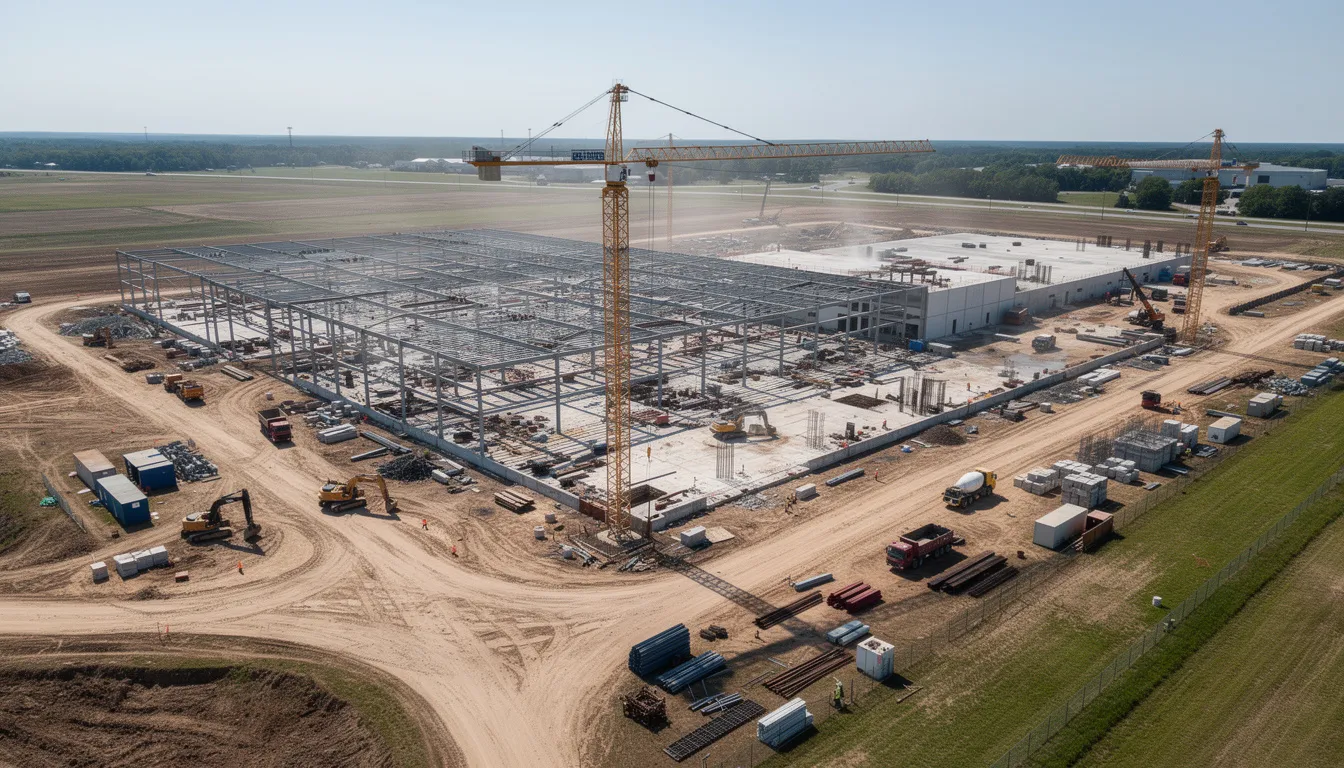
Hiring managers: Data center capacity may be expanding, but leadership availability is not. If you are planning mission critical work in Texas, Virginia, or Pennsylvania for 2026, staffing decisions made now will determine whether your project hits first-power dates or absorbs avoidable delays.
National Context: Why Data Center Capacity Is Clustering
Hyperscale and AI operators do not chase all 50 states. They cluster where power, land, latency, and permitting line up at scale. Understanding why capacity concentrates in specific regions is essential to understanding why execution pressure follows across the construction industry outlook.
Power availability is the dominant constraint heading into 2026. U.S. data center demand is projected to surge from 30 GW in 2025 to over 90 GW by 2030. Grid capacity and interconnection timelines vary dramatically by region. ERCOT in Texas offers flexibility but faces its own stress points. PJM, which covers Virginia and Pennsylvania, has seen capacity prices rise sharply in recent auctions. Projects without secured power slots face multi-year delays before a single foundation is poured, compounding broader workforce pressure.
Land matters at a different scale than in prior cycles. Operators now require large, contiguous industrial parcels capable of hosting 200 to 750 MW sites. Available land with data center-friendly zoning has narrowed considerably in established markets like northern Virginia. Abundant land in Texas and repurposable industrial sites in Pennsylvania have become strategic assets.
Latency drives geographic clustering around major population centers and network crossroads. Ashburn in Virginia remains a critical interconnection point for East Coast traffic. Dallas-Fort Worth serves as a central U.S. connectivity hub. Pennsylvania benefits from proximity to New York and Washington without the saturation of the Virginia corridor.
Permitting speed and community acceptance increasingly determine site selection outcomes. Fast permitting in Texas contrasts with tougher local regulations in Loudoun County, Virginia. Pennsylvania’s state-level support signals a welcoming posture, though permitting playbooks for large AI campuses are still evolving.
This clustering magnifies execution risk. Once a region becomes a capacity hotspot, everyone chases the same superintendents, project executives, MEP leaders, and schedulers. The effective national bench tightens faster than headline demand growth suggests.
Texas: Capacity Growth and Workforce Impact
By 2026, the data center market in Texas is absorbing some of the largest single-market capacity additions in the United States. Dallas-Fort Worth alone holds roughly 870 MW of total capacity with another 425 MW under construction. San Antonio, Houston, Austin, and emerging locations in Central and West Texas are adding to the pipeline as hyperscale operators and AI-focused developers pursue multi-hundred-megawatt campuses.
The scale of individual projects has shifted dramatically. Typical mission critical jobs in Texas are no longer 10 to 20 MW one-offs. They are phased 100+ MW campuses with aggressive first-power dates in 18 to 24 months. These schedules mirror the data center hiring pressure already visible in other fast-growth markets.
ERCOT’s deregulated grid offers flexibility, but that flexibility comes with complexity. Behind-the-meter solutions and on-site generation add layers of coordination that require experienced teams.
Labor and leadership constraints in Texas are unique. Rapid population growth does not translate into data center-ready leaders. Oil and gas, semiconductor fabs, and battery plants compete for the same senior superintendents, schedulers, and QA/QC leaders. Compensation escalation reflects broader salary inflation trendsespecially among superintendents.
The first signs of strain appear in MEP coordination and commissioning readiness. Late-stage re-sequencing and missed first-power dates are common when leadership depth is stretched. In 2026, Texas is not opportunity without friction. It is a high-reward, high-penalty environment where weak leadership depth erodes margin.
Virginia: Density, Saturation, and Talent Competition
Virginia, especially northern Virginia, remains the largest concentration of operational data center capacity worldwide heading into 2026. Expansion has shifted from demand-driven growth to constraint-driven execution.
Northern Virginia hosts hundreds of facilities with unmatched fiber density. Land and power, not tenants, are the limiting factors. Zoning changes and PJM interconnection delays extend timelines, intensifying competition for leadership.
Project executives, senior superintendents, and commissioning specialists command significant premiums, aligning with benchmarks in the construction salary guide. Retention risk is constant, reinforcing the importance of early recruiter relationships.
Virginia favors firms adept at densification, live-site work, and grid tie-ins. Starting leadership searches at contract award is often too late.
Pennsylvania: The Emerging Pressure Market
By 2026, Pennsylvania is not yet a second Virginia or Texas. It is a pressure-relief market absorbing spillover demand.
Legacy industrial and power assets position Pennsylvania for hyperscale reuse. Demand signals align with rising need for project directors as capacity unlocks.
The risk is readiness. Industrial expertise does not equal hyperscale execution. Assuming otherwise leads to schedule slippage. Gaps mirror patterns seen among industrial estimating leadership transitioning into mission critical work.
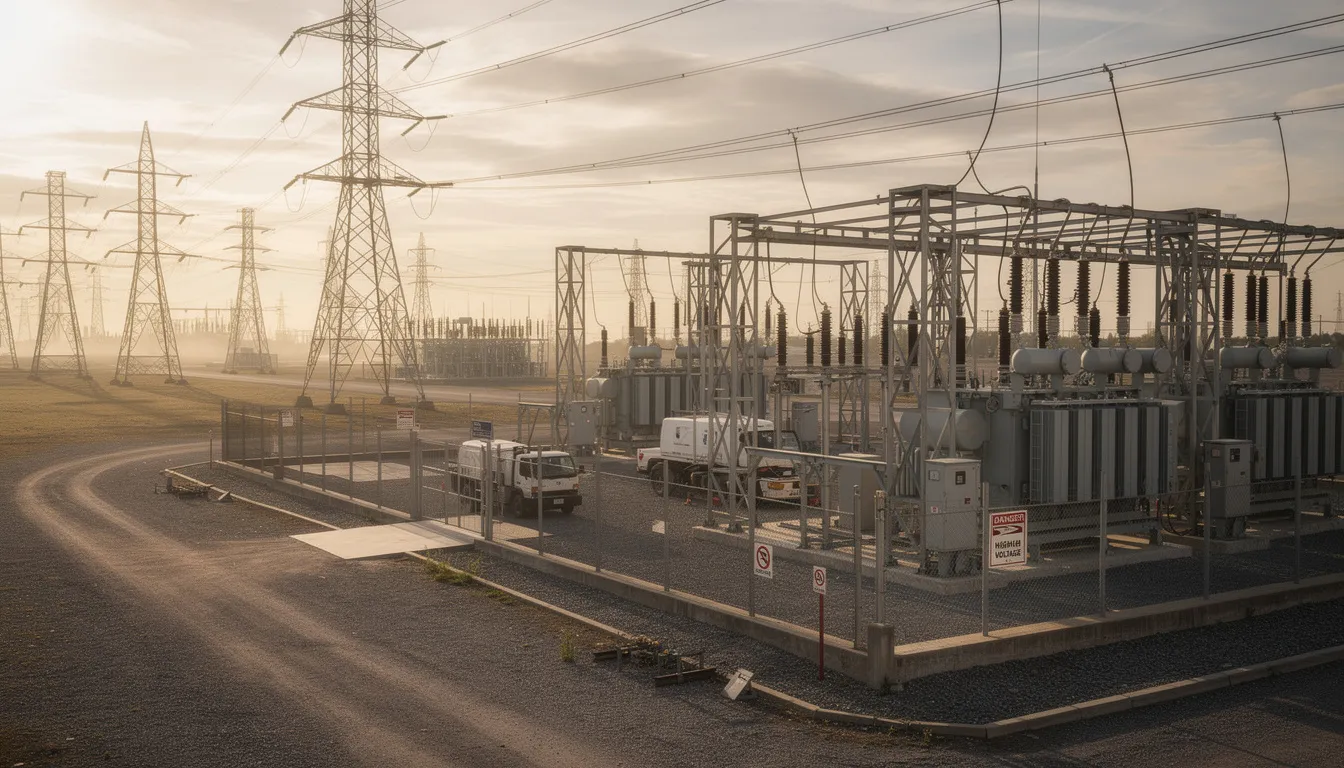
Comparative Analysis: How Texas, Virginia, and Pennsylvania Really Differ
Comparing Texas, Virginia, and Pennsylvania requires moving past surface-level capacity figures and focusing on where projects actually succeed or fail: execution risk. While each market is absorbing data center demand, the reasons projects derail differ materially by state. Power access, schedule pressure, and leadership availability do not break evenly across these regions, and treating them as interchangeable markets is where contractors get hurt.
Capacity Scale
Virginia remains the most densely built data center market in the world, but incremental growth is constrained. Capacity additions increasingly come through densification, redevelopment, and live-site expansion rather than clean greenfield builds. This compresses construction windows and magnifies coordination risk.
Texas leads in raw expansion volume. Large, contiguous sites allow for 100 to 500 MW campuses with room for phased growth. However, scale cuts both ways. The volume of simultaneous projects creates leadership dilution risk when experienced teams are spread across too many campuses at once.
Pennsylvania sits in a different position. Individual sites may unlock very large deployments tied to brownfield power reuse or legacy generation assets. Capacity scale is less about facility count and more about whether a single site can support hyperscale or AI-driven load at once. This creates upside, but only for firms prepared to operate at industrial scale from day one.
Timeline Pressure
In Virginia, timelines are dictated by power delivery and permitting milestones. Once a project clears those gates, there is little tolerance for slippage. Missed handoffs cascade into commissioning delays that cannot be absorbed later without penalty. Schedules are unforgiving because grid access is scarce.
Texas timelines are driven by commercial demand and investor expectations. Multiple phases often overlap, forcing construction, commissioning, and early operations to run in parallel. When coordination breaks down, delays compound quickly across phases rather than remaining isolated.
Pennsylvania timelines are frequently underestimated. Early diligence, environmental review, and utility coordination can extend preconstruction. Once those hurdles clear, owners expect rapid mobilization and aggressive delivery schedules that catch underprepared teams off guard.
Staffing and Leadership Risk
Virginia suffers from hyper-competition for a finite pool of proven mission critical leaders. Project executives, senior superintendents, MEP directors, and commissioning specialists are constantly targeted by competitors. Retention failures mid-project are common and expensive.
Texas faces leadership dilution. Firms often staff initial phases with top performers, then backfill later phases with capable but untested leaders as new projects stack up. That dilution shows up during commissioning and turnover, when experience gaps matter most.
Pennsylvania faces experience mismatch. Industrial and power construction talent is strong, but hyperscale data center delivery requires a different operating rhythm. Assuming these skills translate one-to-one is where schedule risk enters the project.
Decision-Making Consequences
Misjudging these differences produces predictable outcomes. Projects experience 10 to 20 percent cost overruns, strained owner relationships, and damaged preferred-contractor status. In mission critical work, execution errors are not absorbed quietly. They compound across phases and follow contractors into future pursuits. These patterns align closely with breakdowns described in the 24-hour hiring blueprintwhere late or misaligned leadership decisions drive downstream failure.
Hiring & Execution Implications in a Concentrated Capacity World
Capacity concentration across Texas, Virginia, and Pennsylvania directly reshapes leadership pipelines. This is not a theoretical workforce issue. It determines whether contractors deliver on first-power commitments or spend projects recovering from avoidable mistakes.
How Capacity Concentration Stresses Leadership Pipelines
Mission critical construction depends on a narrow leadership bench. A small number of project executives, senior superintendents, MEP managers, and commissioning leaders carry disproportionate responsibility for outcomes. As data center capacity concentrates geographically, those leaders are pulled into overlapping schedules across multiple states. The result is a thinner effective bench than national labor numbers suggest, echoing broader trends in construction workforce planning.
Why Hiring Late Directly Causes Schedule Slips
Starting leadership searches after contract award compresses critical planning windows. Design-assist coordination, long-lead equipment alignment, and commissioning strategy all suffer when leaders arrive late. Interim coverage fills seats but not accountability. Liquidated damages escalate quickly, and compensation pressure rises as firms scramble to correct course, aligning with national compensation benchmarks rather than budgeted assumptions.
How Firms Misjudge Regional Talent Depth
In Texas, firms often overestimate how much population growth translates into data center-ready leadership. In Virginia, firms underestimate how aggressively competitors pursue proven leaders during critical phases. In Pennsylvania, firms overestimate how quickly industrial talent can adapt to hyperscale data center delivery without added support. Each miscalculation produces the same result: reactive staffing decisions under pressure.
The Cost of Reactive Staffing in Mission Critical Work
Reactive staffing increases safety incidents, change orders, and commissioning failures. Leaders unfamiliar with ERCOT or PJM processes introduce friction at the exact moment certainty is required. These costs rarely appear in early pro formas but surface during turnover, client audits, and post-mortem reviews.
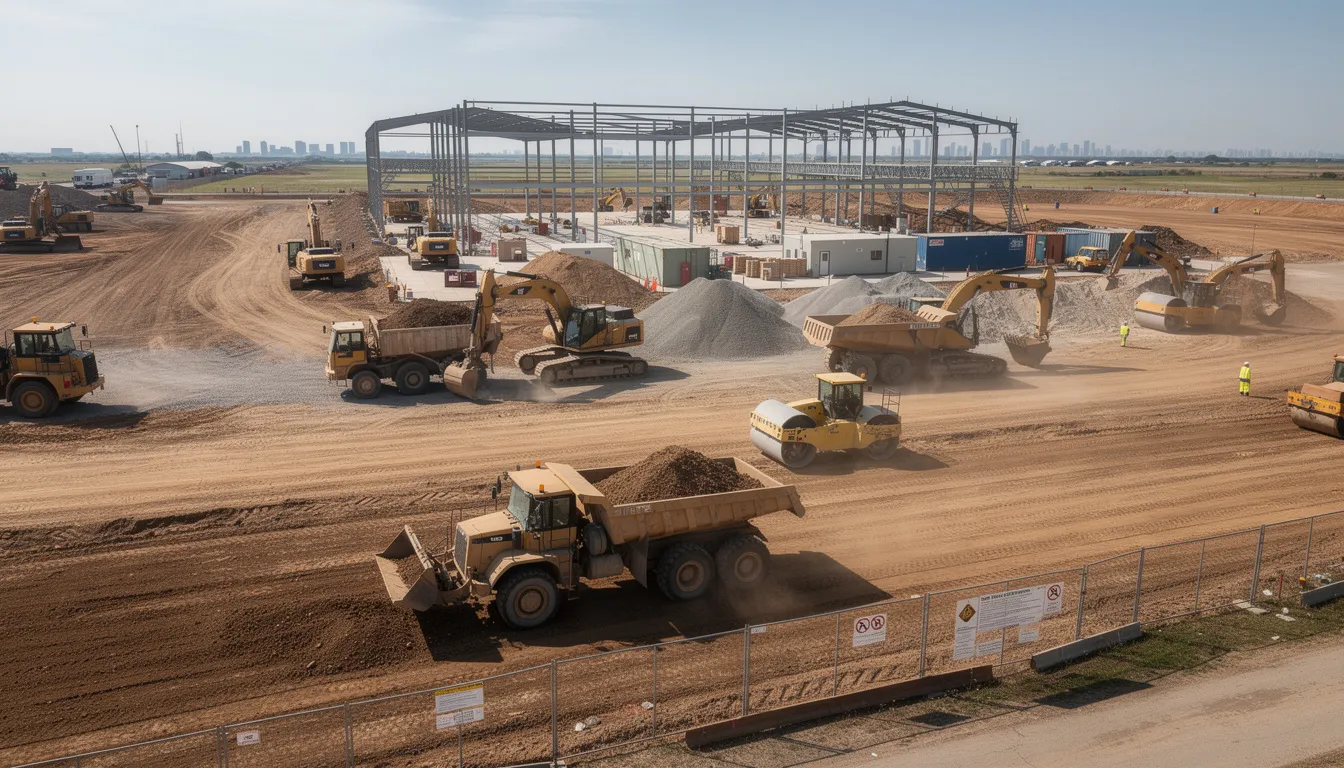
What Contractors Need to Plan for in 2026
When Staffing Decisions Must Happen
For 2026 data center and AI infrastructure projects, leadership searches must begin during pursuit or shortlist stages. Waiting until award assumes availability that no longer exists in concentrated capacity markets.
Which Leadership Roles Require Early Commitment
Early commitment is required for roles accountable for overall project strategy, MEP and critical systems integration, commissioning ownership, and site logistics. These functions shape execution long before vertical construction begins.
How Regional Differences Should Shape Hiring Strategy
Texas requires deeper benches and succession planning. Virginia requires proactive retention and contingency coverage. Pennsylvania requires imported mission critical expertise paired with strong local knowledge of utilities and permitting.
Align Pursuit Strategy with Leadership Reality
Fewer, well-staffed pursuits consistently outperform thinly staffed expansion across multiple markets. Hiring managers should engage in early leadership planning and evaluate live construction leadership roles before timelines compress and options disappear.
Hiring managers: If your 2026 data center backlog is real, leadership timing is already your biggest execution risk.
For candidates: Proven mission critical leaders can explore confidential opportunities aligned with hyperscale and AI infrastructure projects.
FAQs: Data Center Construction Capacity and Hiring Risk (2026)
Why is U.S. data center construction capacity concentrating in a few states?
Data center construction capacity is concentrating because large-scale power availability, grid interconnection timelines, land scale, and permitting speed vary widely by region. Texas, Virginia, and Pennsylvania offer combinations of grid access, connectivity, and site scale that most states cannot support for multi-hundred-megawatt or gigawatt-class campuses.
Which states will see the most data center construction pressure in 2026?
Texas, Virginia, and Pennsylvania will experience the highest execution pressure in 2026. Texas leads in new capacity volume, Virginia remains the densest and most constrained market, and Pennsylvania is emerging as a pressure-relief market for power-constrained regions.
What is the biggest risk facing data center construction projects in 2026?
The biggest risk is not demand or capital. It is execution risk driven by leadership shortages. A limited pool of project executives, superintendents, MEP leaders, and commissioning specialists is being stretched across overlapping hyperscale and AI infrastructure projects.
Why does leadership availability matter more than labor volume for data center projects?
Data center construction is leadership-intensive. While general labor can scale regionally, leaders with experience delivering high-density, multi-phase, mission critical campuses cannot be replaced quickly. Inexperienced leadership increases commissioning delays, change orders, and missed first-power dates.
How do power constraints affect data center construction timelines?
Power constraints directly dictate when projects can break ground and deliver capacity. In regions like Northern Virginia, long interconnection queues and grid congestion mean schedules have little tolerance for delay. Missed milestones can push projects years back in the power queue.
Why are data center projects in Texas considered high-risk despite fast growth?
Texas offers land and grid flexibility, but the volume of simultaneous projects creates leadership dilution risk. As teams are spread across multiple large campuses, later phases are often staffed with less experienced leaders, increasing execution and commissioning risk.
What makes Pennsylvania an emerging data center construction market?
Pennsylvania offers access to legacy power infrastructure, large industrial sites, and proximity to East Coast demand. However, the market has less hyperscale delivery experience, which increases risk if leadership planning and staffing are delayed.
When should contractors begin hiring leadership for 2026 data center projects?
Leadership hiring should begin during pursuit or shortlist stages, not after contract award. Waiting until award compresses planning windows and increases the likelihood of reactive staffing, which correlates with schedule slippage and cost overruns.
How does late hiring impact data center project outcomes?
Late hiring compresses design coordination, procurement alignment, and commissioning planning. This increases reliance on interim leadership, raises compensation costs, and elevates the risk of liquidated damages tied to missed delivery milestones.
Are industrial construction leaders interchangeable with data center leaders?
Not fully. While industrial construction experience is valuable, hyperscale data center delivery requires familiarity with Tier III and Tier IV systems, concurrent maintainability, commissioning sequencing, and utility coordination that many industrial leaders have not managed at scale.
What should hiring managers prioritize to reduce data center execution risk in 2026?
Hiring managers should prioritize early leadership planning, retention strategies in competitive markets, and aligning project pursuits with realistic leadership availability rather than chasing capacity announcements alone.